The year 1976 was the Bicentennial of the United States. It was also the year that Betty Harlan and a group women called Women for Texas Cotton from the Bula, Texas, area traveled to Washington D.C. to lobby for the current farm bill. I’m not sure if the farm bill passed, but Betty came home energized from all the talk in D.C. about the Bicentennial as a good time to do something positive and supportive in your community to celebrate America.
So she planted the seed, suggesting perhaps weeding and cleaning the local cemetery that had been gifted to the town by the W.B. Newsome estate back in 1924-25. Postmaster Fay Jones spread the word, one thing led to another, and things began to happen. The fence was repaired to keep the cattle from grazing in the cemetery, the grass and weeds were shredded, a flag pole and flag were added, and then the idea of burying a time capsule came up. Betty is sometimes credited with the time capsule idea, but she made sure I knew that it wasn’t just her idea, it was everyone. “The glory goes to the community for getting things done,” she said.
And the rest, as they say is history.
That history came to light today, July 3, as that time capsule was dug up, along with stories of the history of Bula and the cemetery. It was decided to dig it up today instead of the actual July 4th because people would be going to other July 4th events.
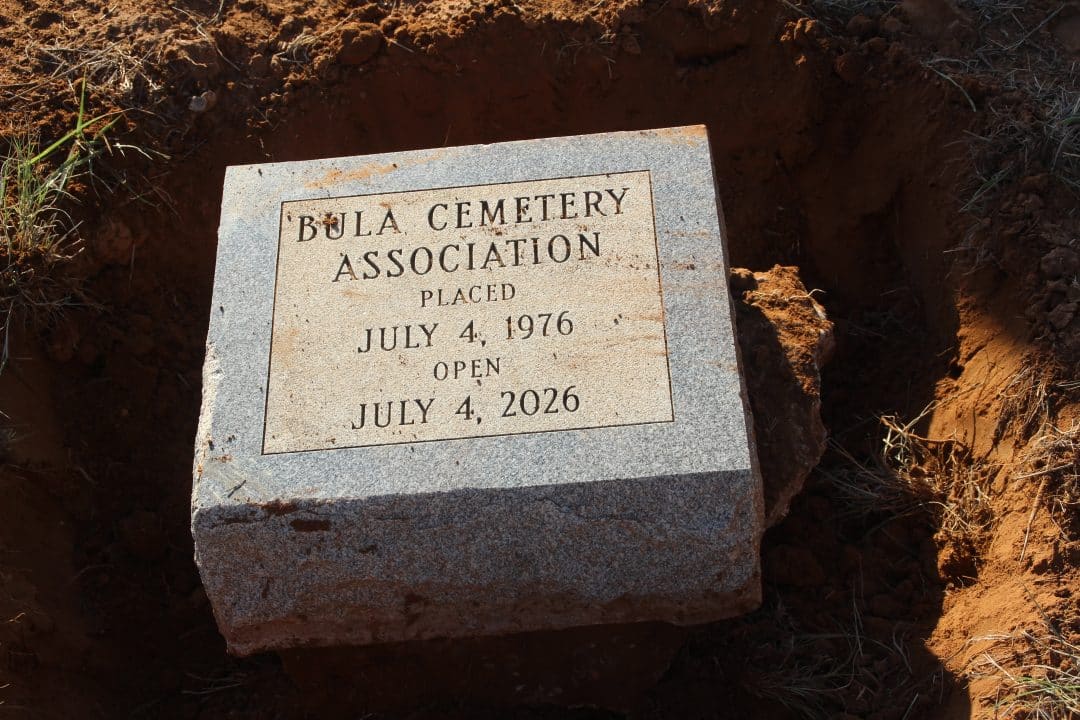
Bula, Texas, is a small farming community about 27 miles south of Muleshoe that grew when ranch owners W.B. and Tom Newsome subdivided their property into sections that they sold to interested buyers around 1916-1924. Many families took them up on the offer and the town took shape. They applied for a post office under the name Newsome, but were informed a town named Newsome already existed, so they decided on Bula since the town had two Bulas: Bula Maude Oakes, a preacher’s daughter, and Bula Thorn, wife of the postmaster.
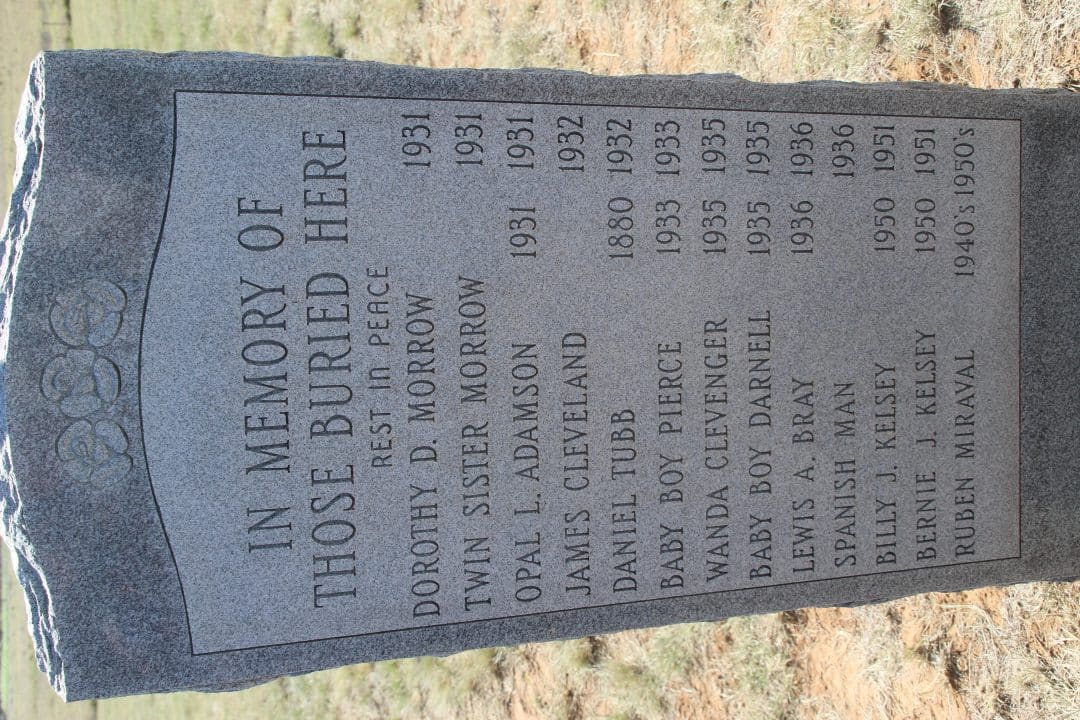
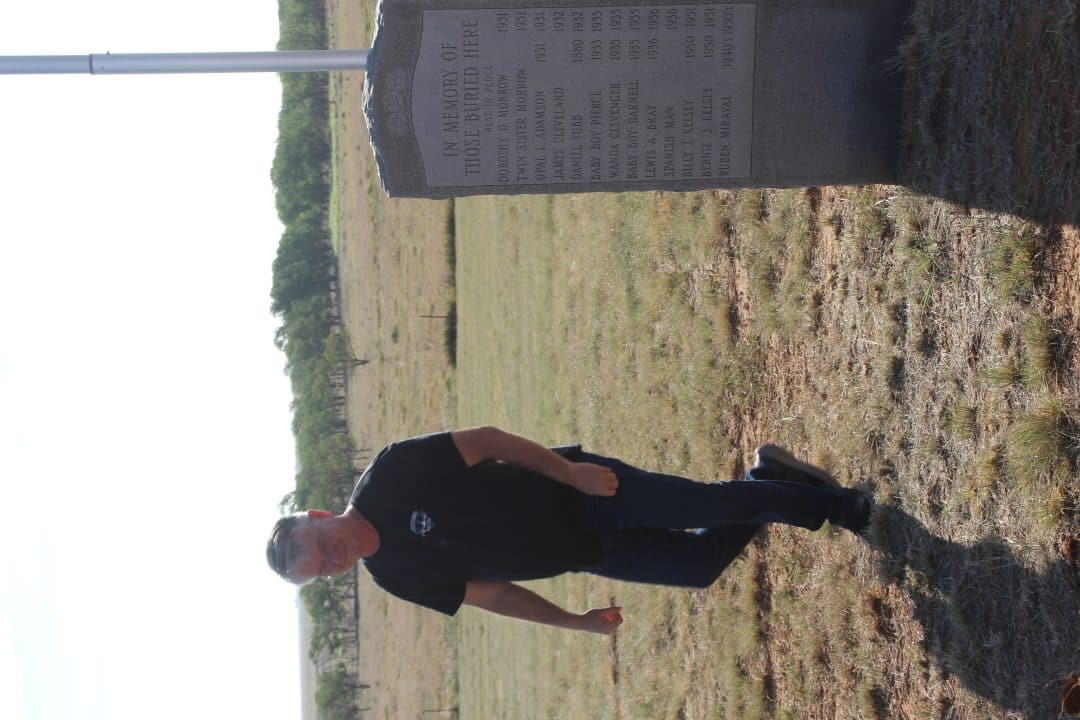
Then in 1929 the Newsome estate gifted five acres to the community for the cemetery with the first burial coming in 1931. Resident and Bula Cemetery Association secretary Tammy Brawn told me that as far as they know, the last person to be buried there was in 1951. She chuckled when she said the burials were handled by the families on their own, sort of done the old West way. They dug the grave, marked it with a wooden cross or a rock marked with the name of the deceased, and over time those wooden crosses and rocks are gone, causing the burial sites to be lost. Now, the fear is that digging a new grave that might produce bones of those buried long ago. To honor those who were buried, one marker was added in 1976 with the names of those known to be buried somewhere in the cemetery. Now Bula residents are buried in larger town cemeteries in the area like Littlefield, Sudan, Enoch, Muleshoe, and others. It is still open for use, but that may not happen.
Other improvements added recently included a new sturdy flagpole provided by Julie and Keven Layton, and painting the metal cemetery sign.
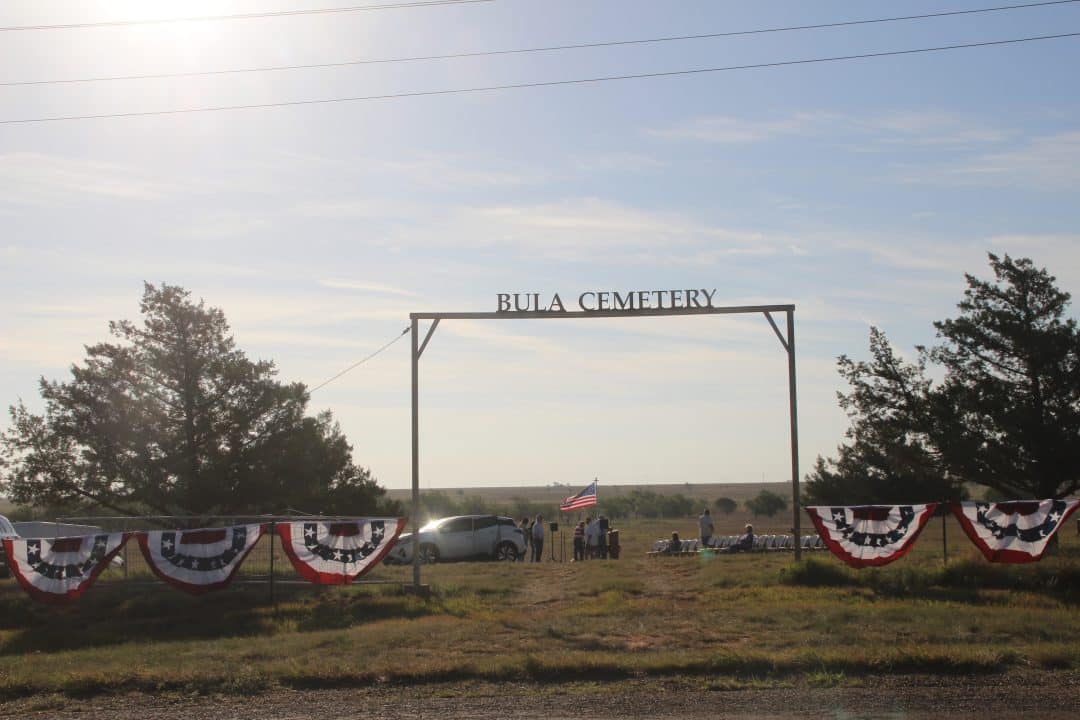
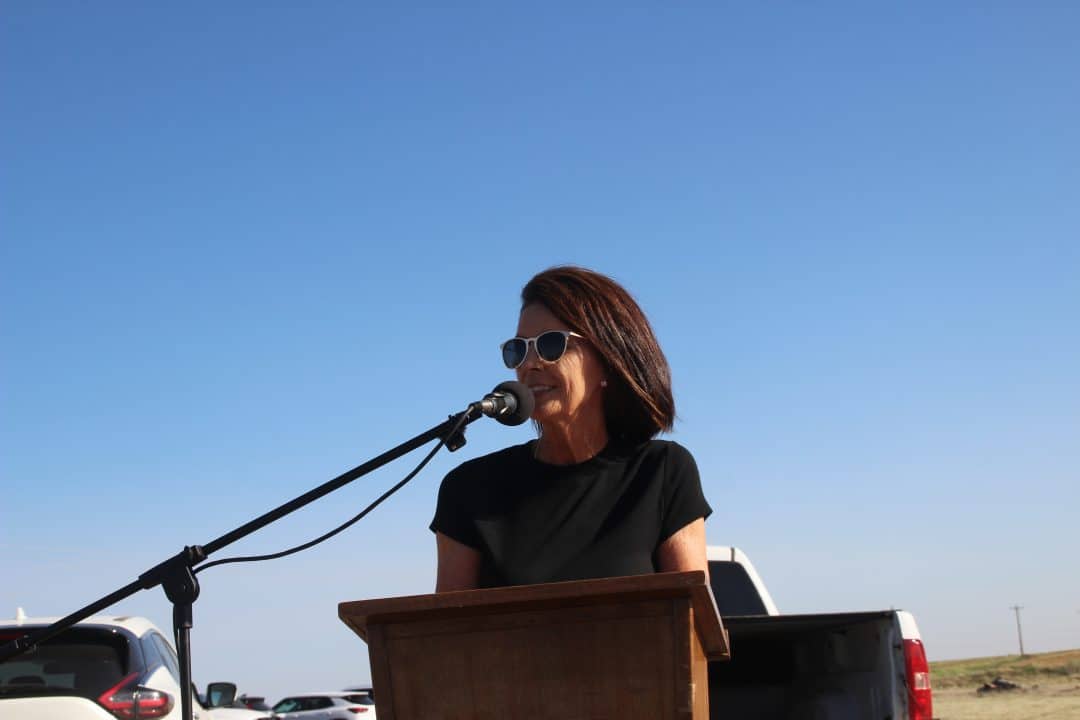
Julie, who is president of the Bula Cemetery Association, is credited with organizing today’s unveiling of the time capsule with lots of help from other proud Bula residents like Tammy Braun, Melanie Whiting, and Donna Smith,
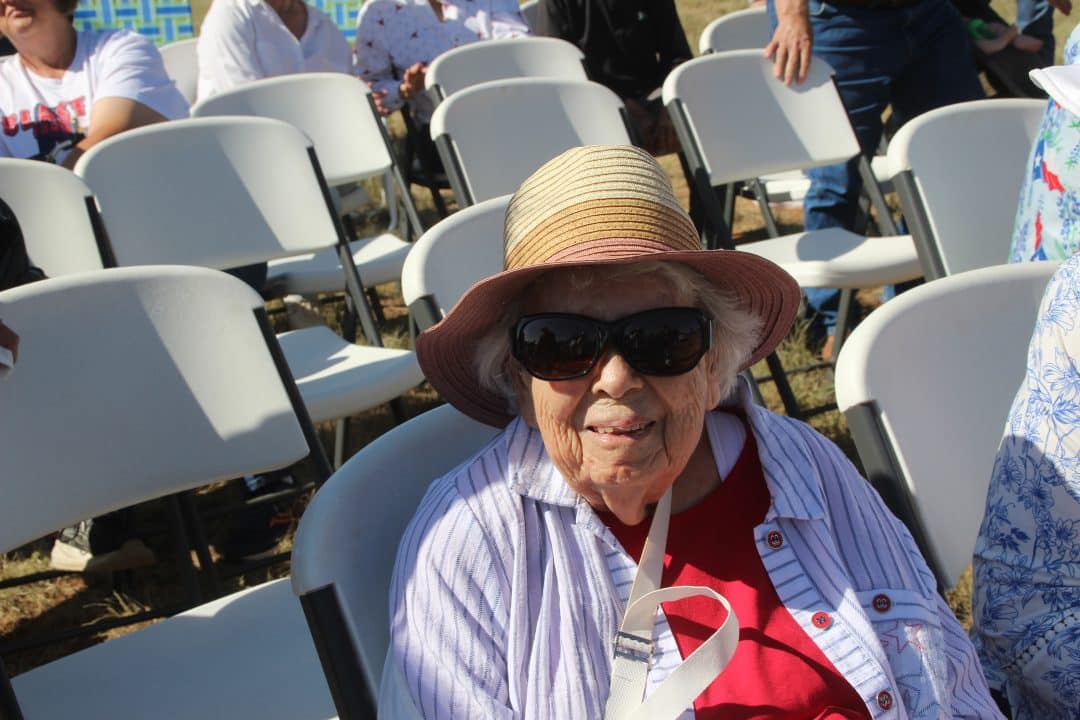
July 3rd dawned hot and windy. Chairs were set up for visitors, donuts and water were supplied by First Bank of Sudan, decorative banners were hung, a sound system was turned on, and people started arriving. Fifty chairs were set up, hoping at least that many people would come. Organizers were thrilled when around 110 ten people showed up for the event!
Betty Harlan, whose activism started the whole thing and now lives in Lubbock, came for the opening and had a great time visiting with people she had not seen in a while.
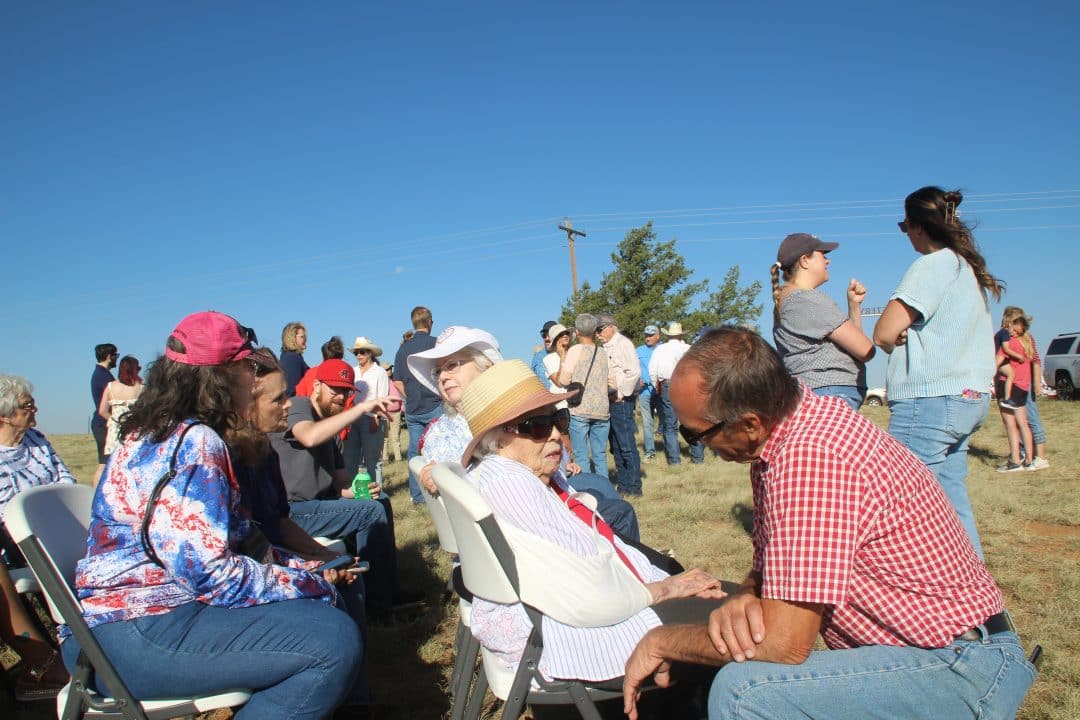
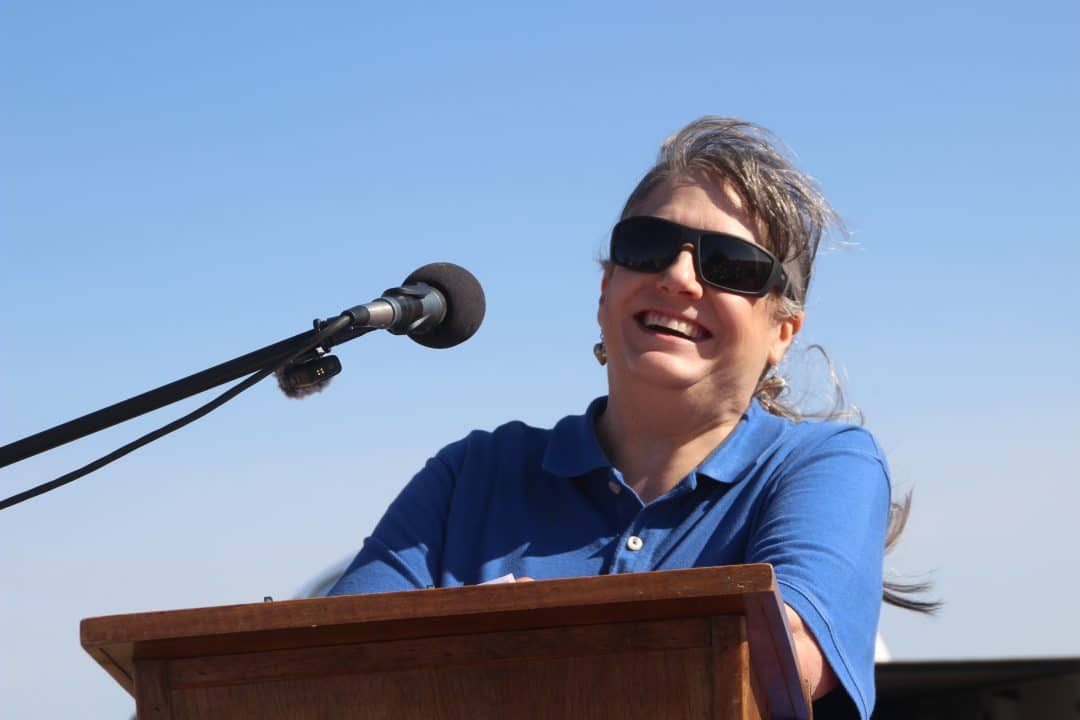
Julie welcomed everyone and thanked them for coming.
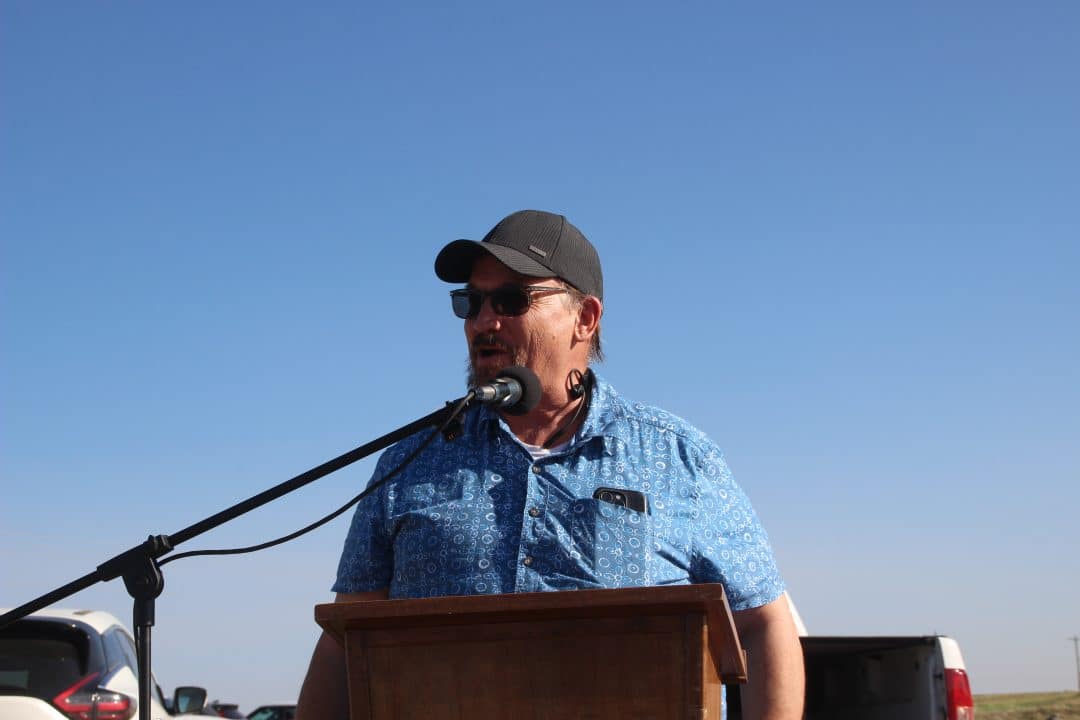
Billy Tiller opened with a prayer.
John Harlan, son of Betty, raised the flag, which was appropriate, since as a six year-old, he had raised the flag at the burying of the capsule about to be dug up.
Melanie Whiting, granddaughter of Betty Harlan, talked about cemeteries being a place of peace for those who passed away and peace that comes to those left behind also. She shared the story of how the cemetery had brought peace to an African-American family who had lost a teenage son and needed a place to bury him. They asked Reese Harlan if they could do that, and he said yes without hesitation. Peace, she said, is unconditional love from the community as exemplified by the cemetery.
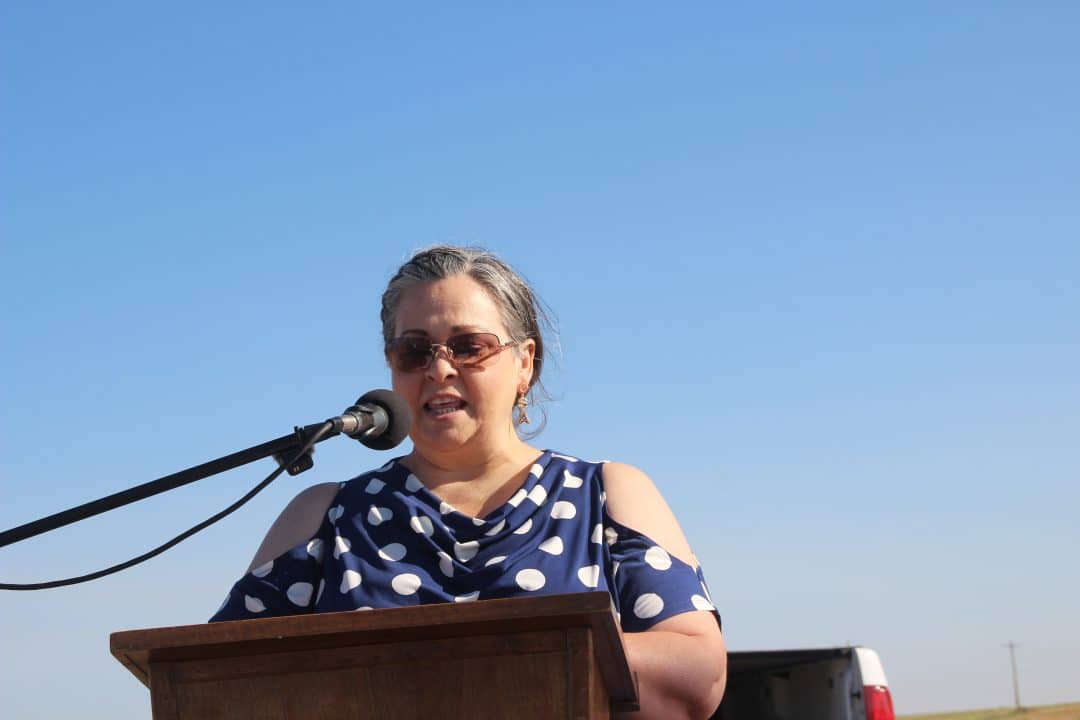
Bailey County Judge Basil Nash then thanked the women who carried out their vision for the cemetery and saw the cemetery as a marker in memory of those who died and would be remembered. He made note of the 250 year anniversary we were celebrating as an example of our freedom to assemble and thanked the veterans who continue to make that freedom possible.
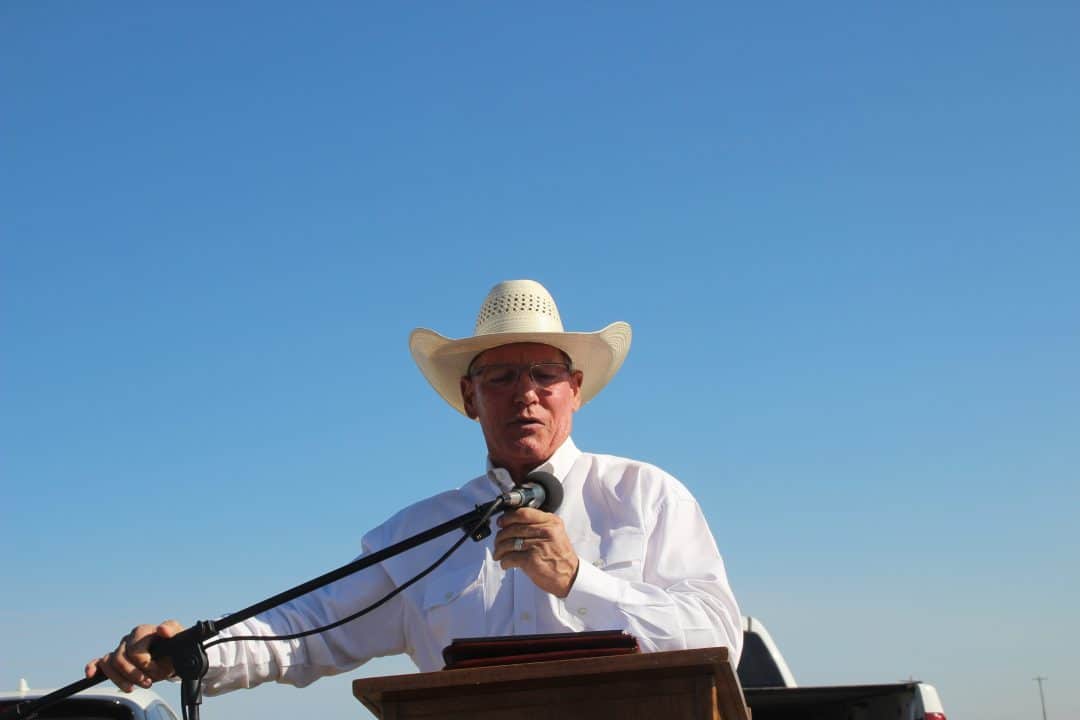
Kenneth Richards then passionately sang “God Bless the USA” and encouraged the crowd to to sing along.
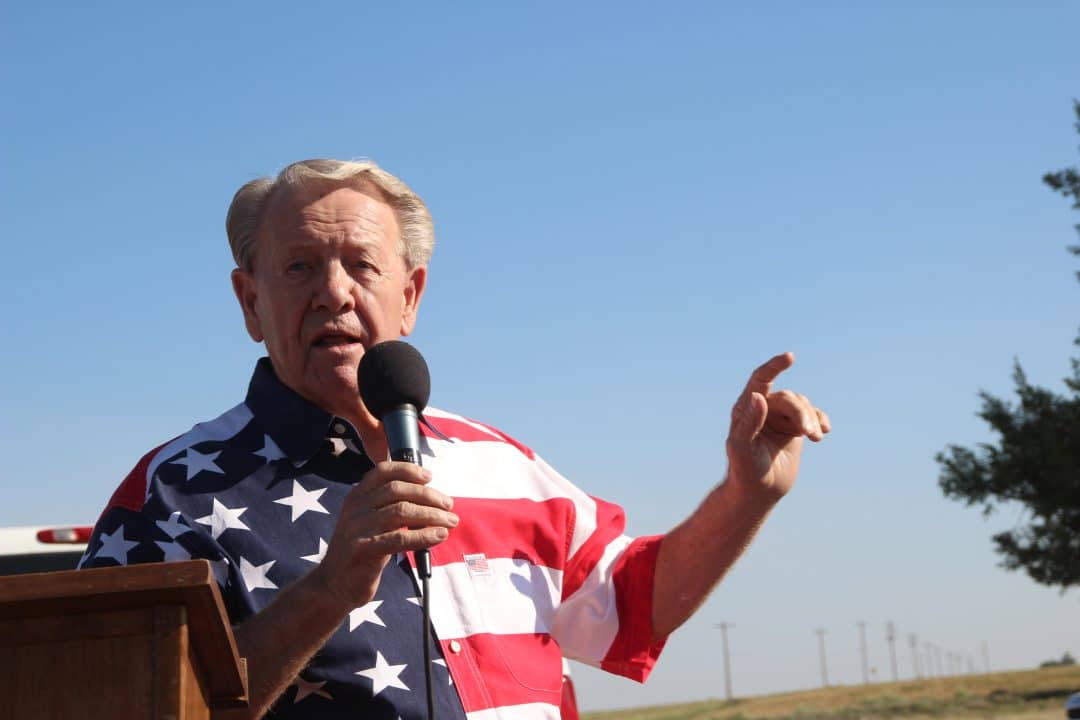
Donna Smith followed with an interesting and thoughtful history lesson going back to the time of a young Comanche warrior named Lone Wolf looking for water for horses and discovered the playa lake surrounded by prickly pear which is about a mile south of Bula. He shot an arrow into a clump of prickly pear to mark it as theirs, and it was used by them as they hunted for bison, ran off the Apaches, and traded with the Comancheros. She listed the businesses that had existed back when Bula was thriving, and said Bula still exists in the history of the Indians, cowboys, and residents who don’t give it away.
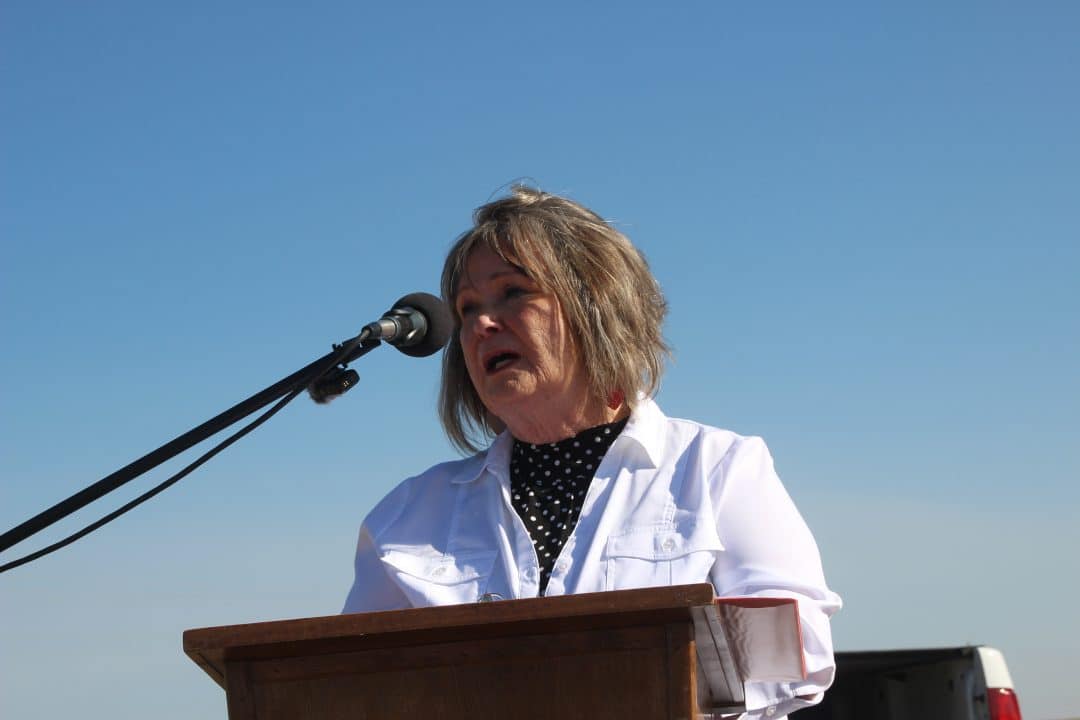
Tammy Brawn shared with us that the Texas Historical Commission had designated the Bula Cemetery as an historic cemetery which makes it eligible for a Texas historical marker. The Cemetery Association will have to purchase the marker, and they are expensive, so donations would be appreciated. The First Bank of Sudan has an account set up to accept those donations, and donations can also be given to Tammy and Julie.
And then it was time to dig up that time capsule.
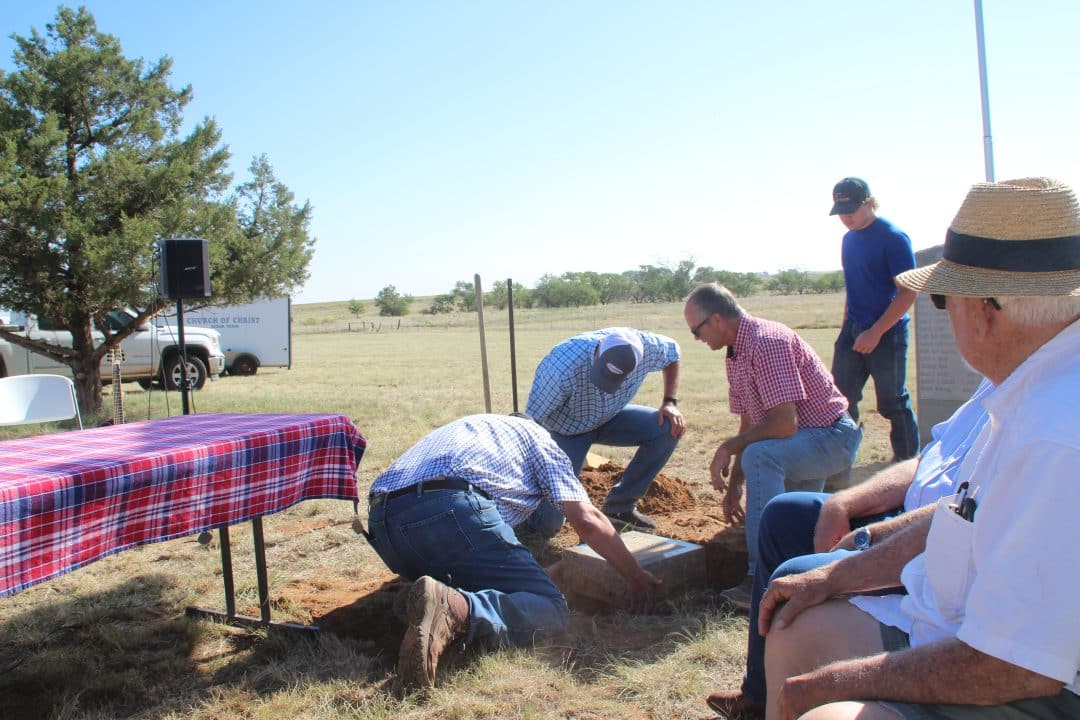
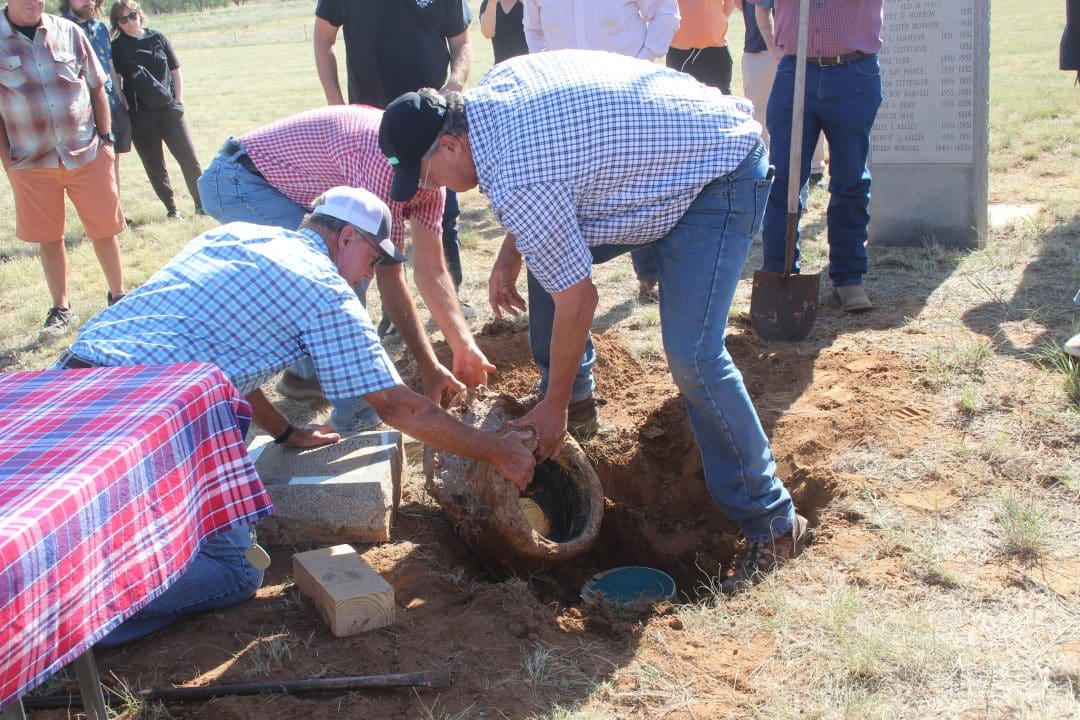
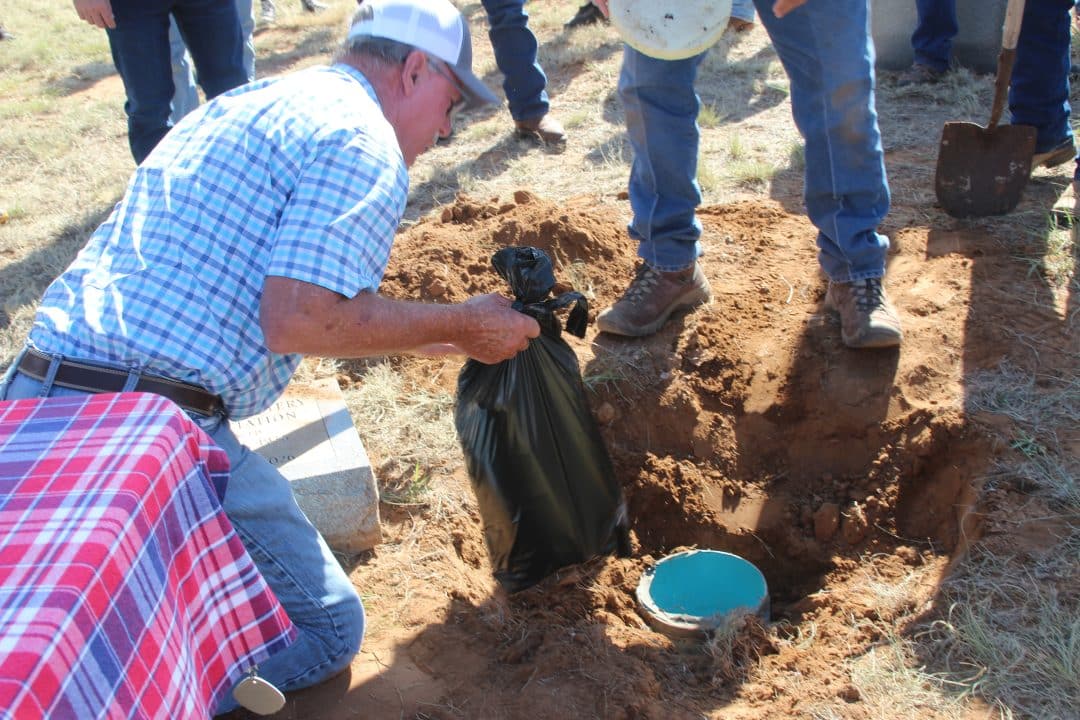
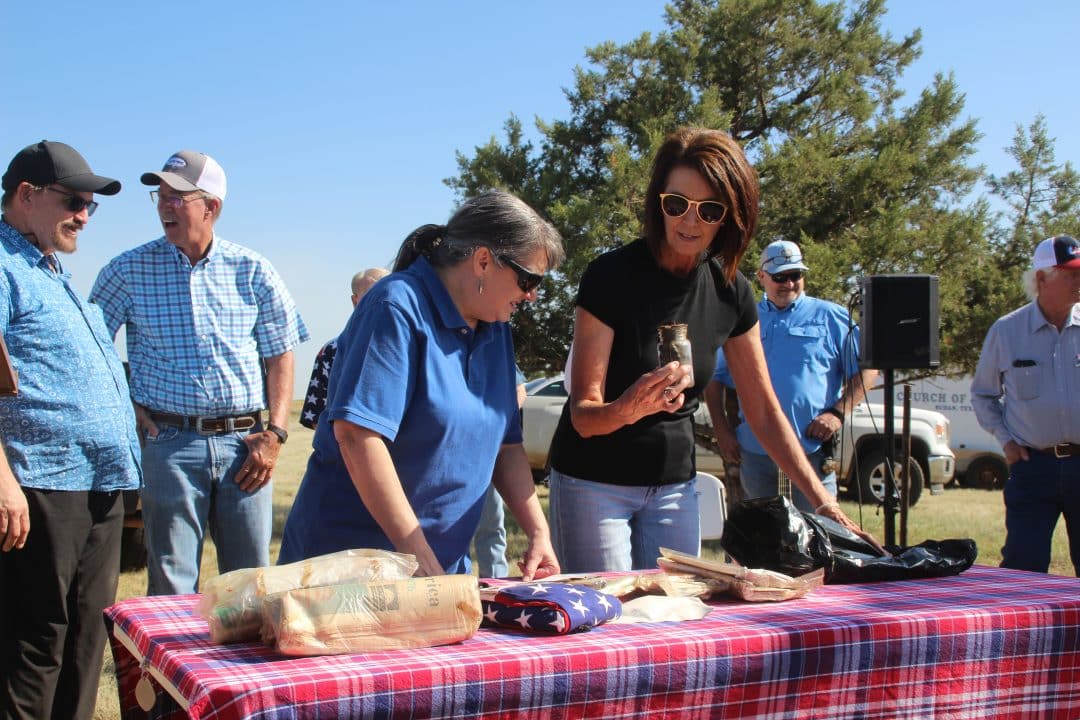
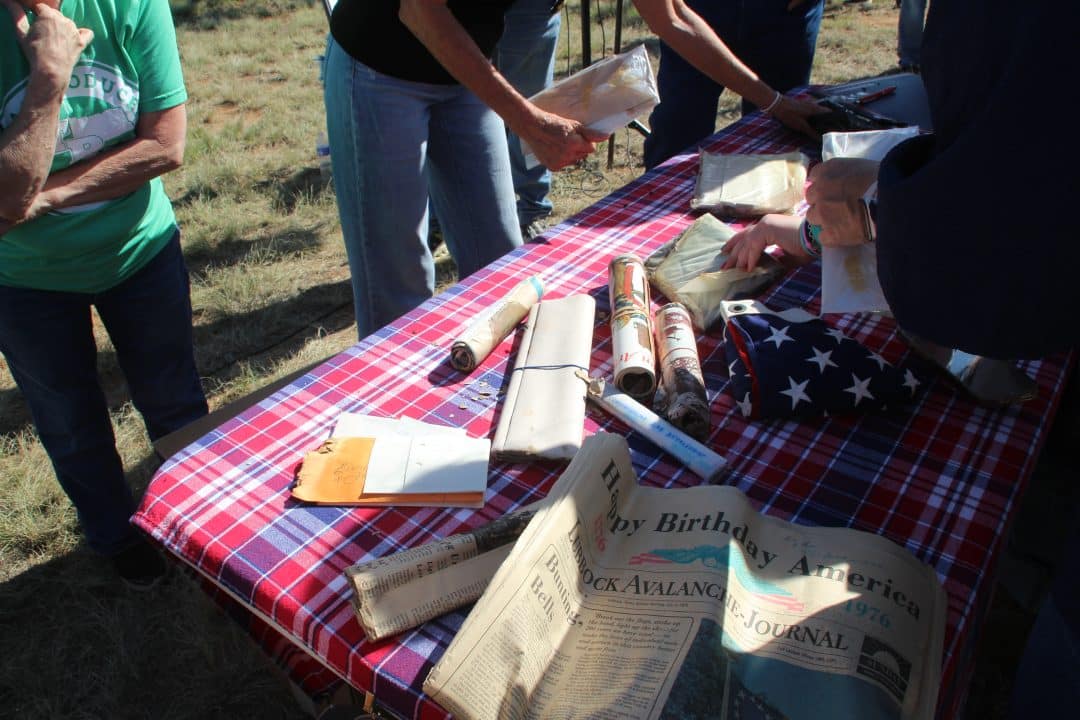
The items in the capsule will be on display at the Muleshoe Public Library soon, along with a newspaper article from 1976 and the documents signed by then librarian Ann Camp naming the library as the keeper of the items. But people crowded around the table to get a first hand look at what was deemed worthy of being markers of life fifty years ago.
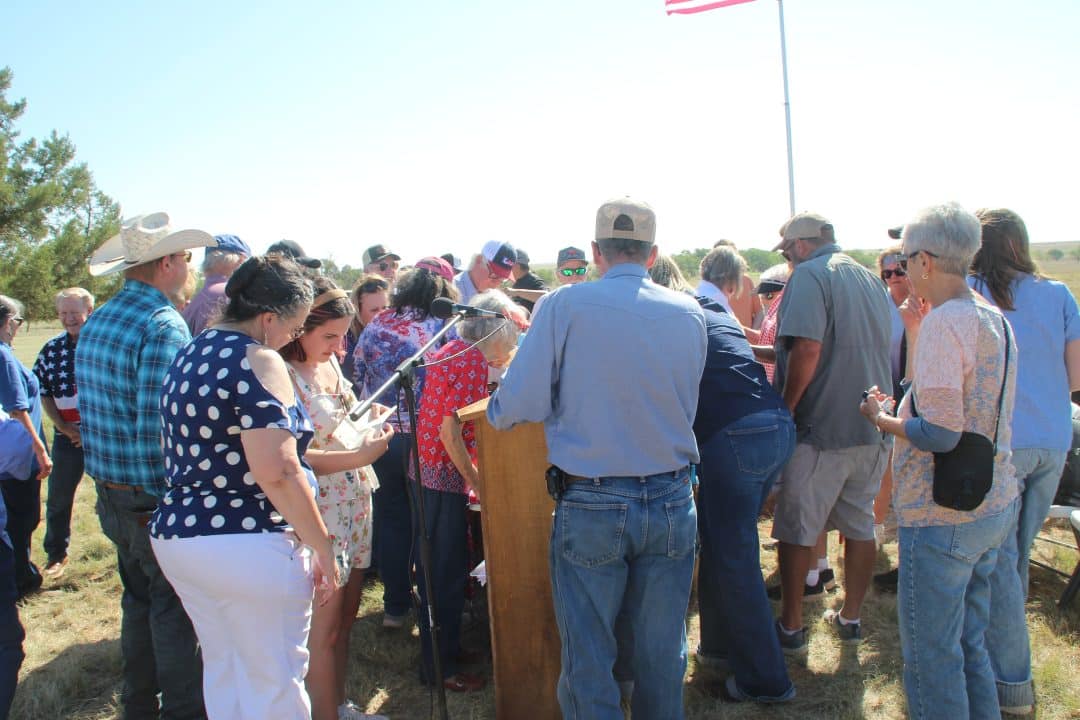
So, Betty Harlan, thanks for going to Washington D.C. and coming home with a vision and inspiring others.
Good job.
Thanks to Julie Layton, Tammy Brawn, Betty Harlan, and Melanie Whiting for their help with this story, and to Lori Bales for supplying me with directions to the cemetery!
Exciting so many attended. Great story.
Thanks. It was an interesting event.
Thank you for this story and the pictures! Your interest in stories of the county keeps it alive in minds of lots of people! I appreciated you coming to the ceremony and writing qbout it. FYI: The Bula Cemetery Association has decided to bury another time capsule. We have until December 1st to take items to Shelby’s Bridge in Sudan or to the Laytons on Highway 3397. There will not be a ceremony for the burial this time.