
I told you about the trip AJ, Erin, Ben, and I took to Big Bend National Park the other day, “The Big Bend Trip,” February 22, 2026. I took so many pictures, and the park is so massive, I didn’t want to cram it all into one story, so here is some more about the trip. We signed up for a tour with Far Flung Tours. After the lunch they provided for us, we went on to see more of the park.
Downstream from Santa Elena Canyon, we stopped at Castolon, a community where people had lived, farmed, and ranched in the early 1900s. During the Mexican Revolution, many Mexicans moved there to escape the war. The U.S. even sent troops down there to defend the border. A primitive house that I didn’t take a picture of is still standing, the oldest shelter characteristic of early pioneer settlements, and in the distance from that is a house surrounded by trees that was lived in by a Mexican drug lord up until the 1960s that the U.S. took care of. The park has built a rest stop that we didn’t go into. And there is more to the story of the area that I can’t remember, so that is one stop you will need to make when you visit the park.
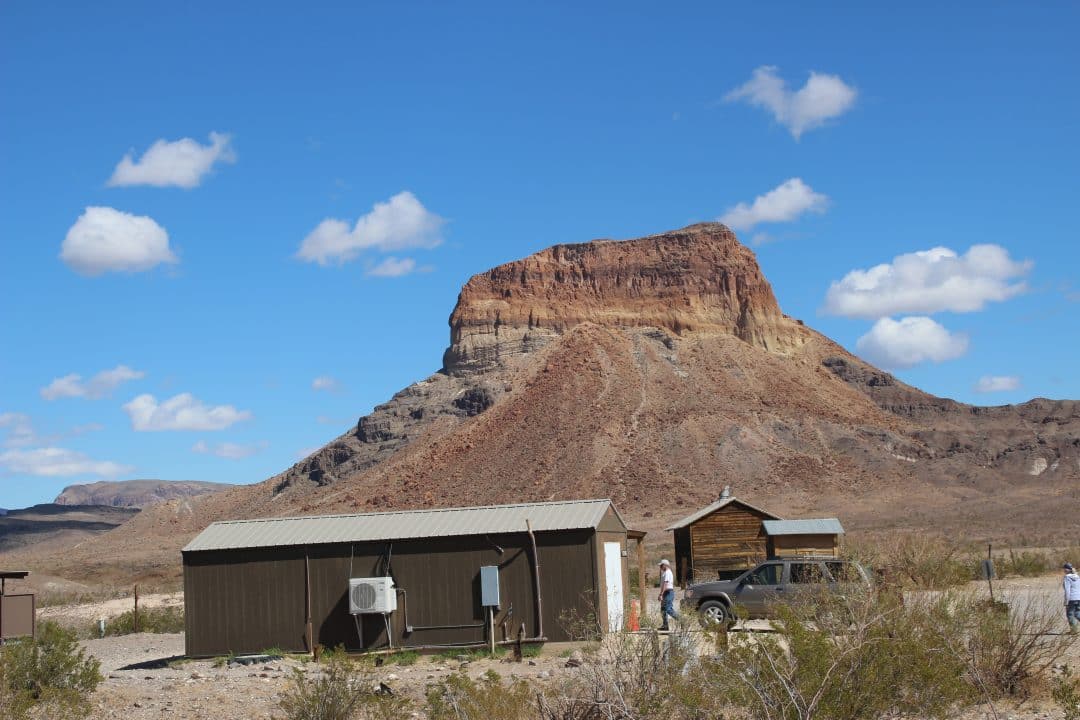
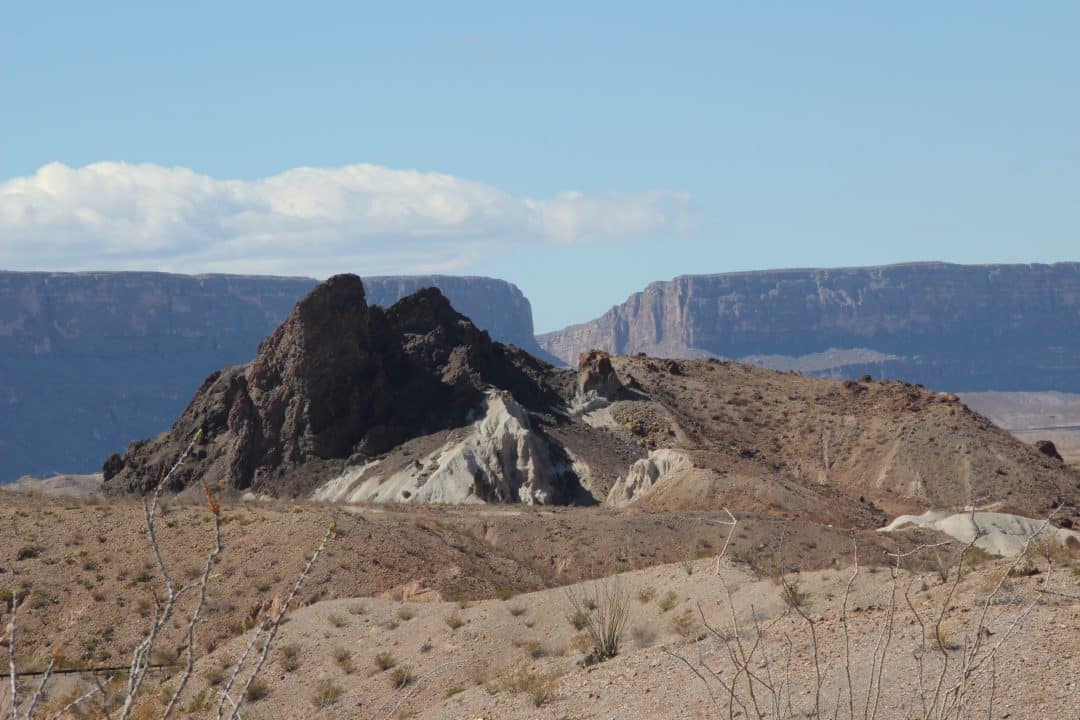
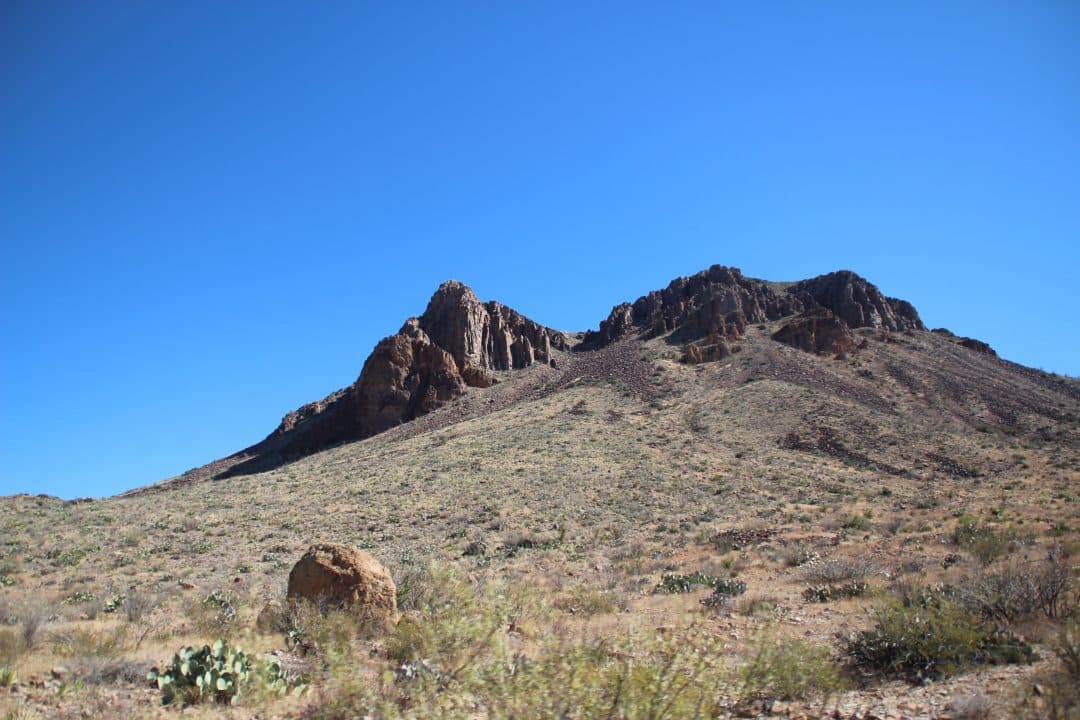
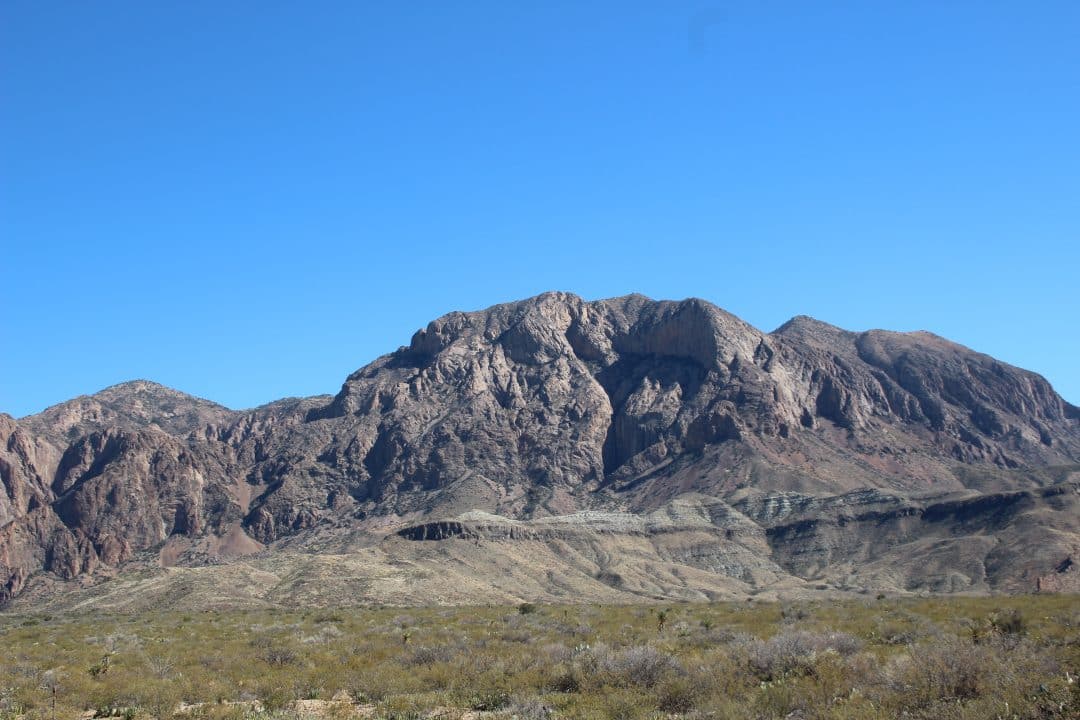
This was the mountain we saw as we drove up to Castolon, which, I believe, is also named Castolon.
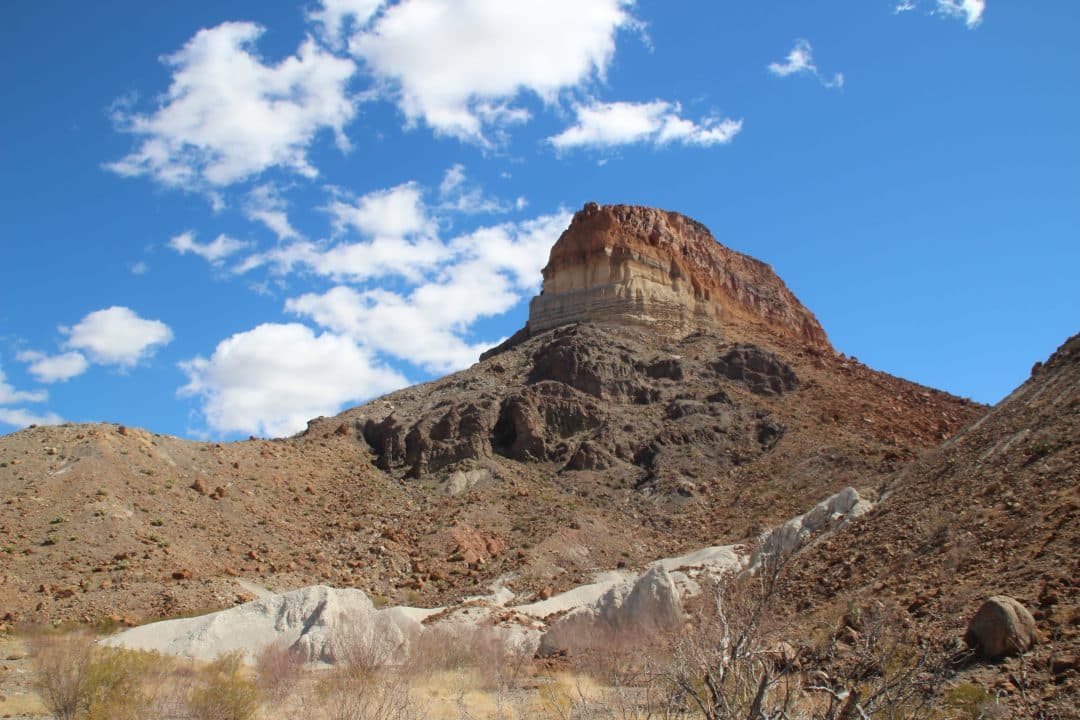
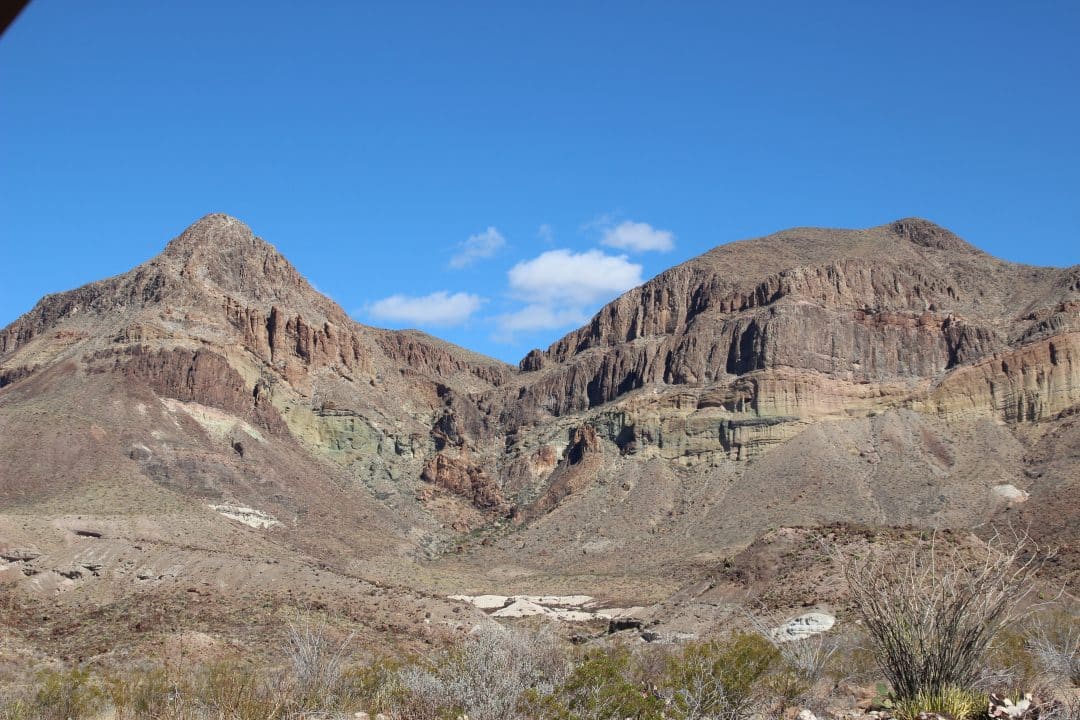
And this is what it looked like as we drove away, a prettier picture. The white you see in the lower landscape is pumice from the volcanic activity long ago in the area. I thought that was interesting since I use pumice my the cactus soil mix.
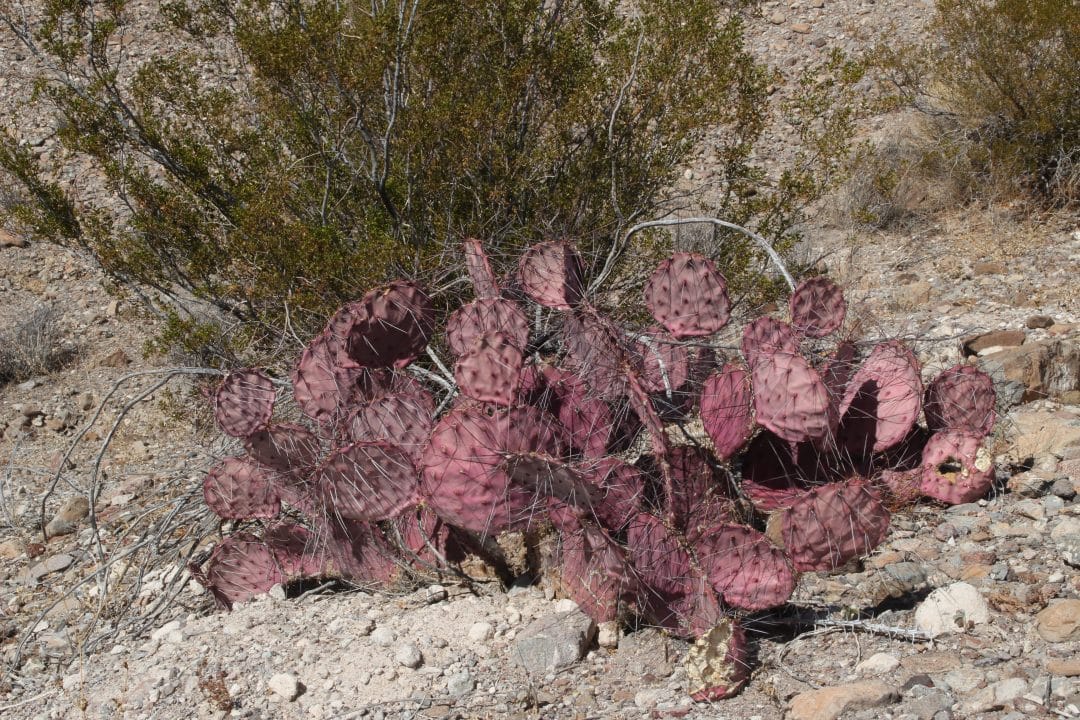
We saw purple prickly pear everywhere, Opuntia azurea. It is naturally that color, but does get darker when the plant is stressed by weather. I think there are other varieties of purple prickly pear in the park, some not as purple as this one, but I am pretty sure this one is the azurea. That is another creosote bush behind it.
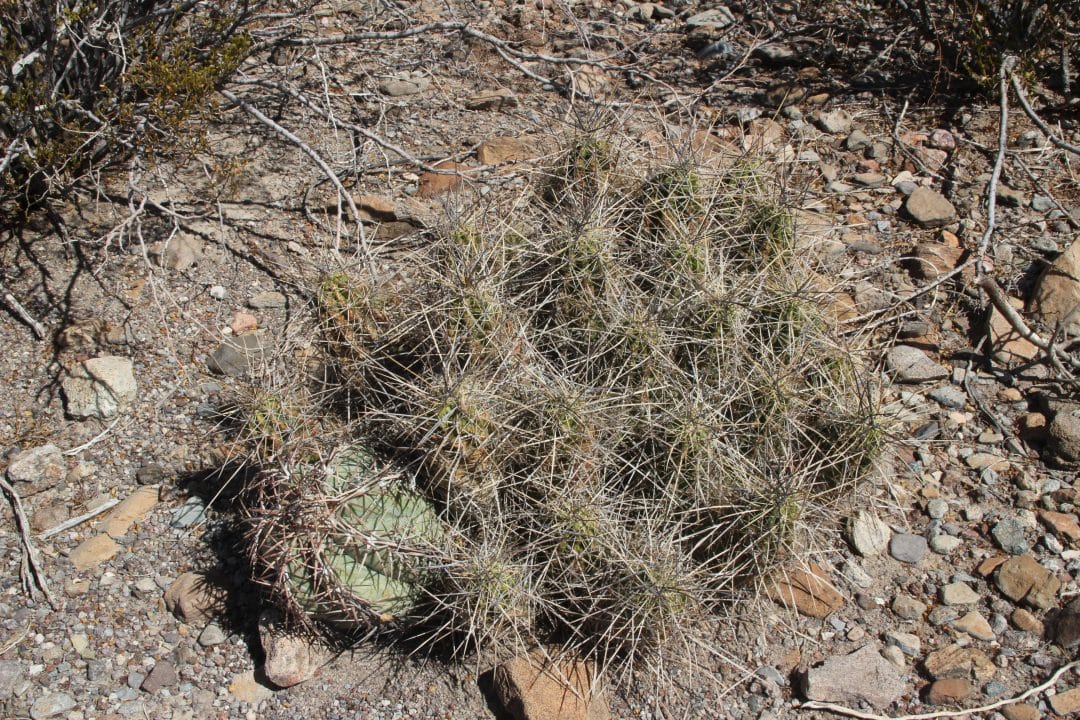
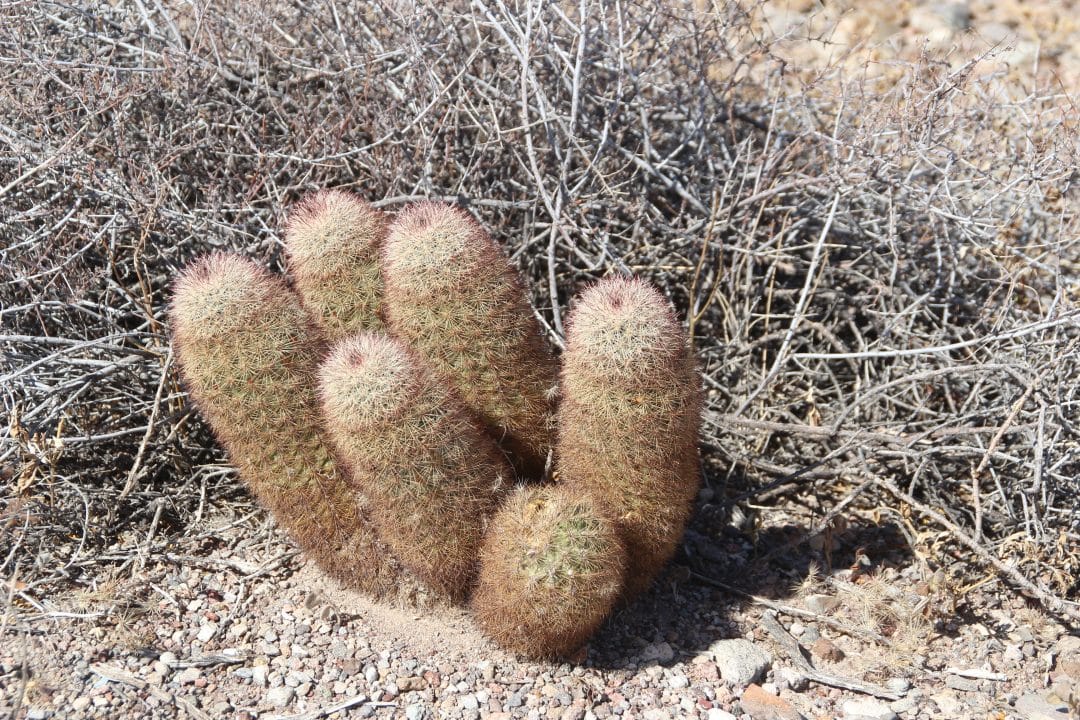
As we moved on, we passed this nice Echinocereus stramineus– I think. I’m still working on my identification skills- and then AJ saw the Echinocactus horizonthalonius growing with it! If they all had been blooming, it would have been easier to ID them.
And then we came up on another echinocereus with a Echinocactus dasyacanthus growing with it! Again, I think this is a dasyacanthus, commonly called Texas rainbow because of the rows of colored spines on the cactus. Some of those rows are more colorful than others. And this may not be one, and if so, I can’t ID it for you. We saw lots of dasyacanthus on the trip as they happen to be native to the Big Bend area. as are the coccineus and stramieus
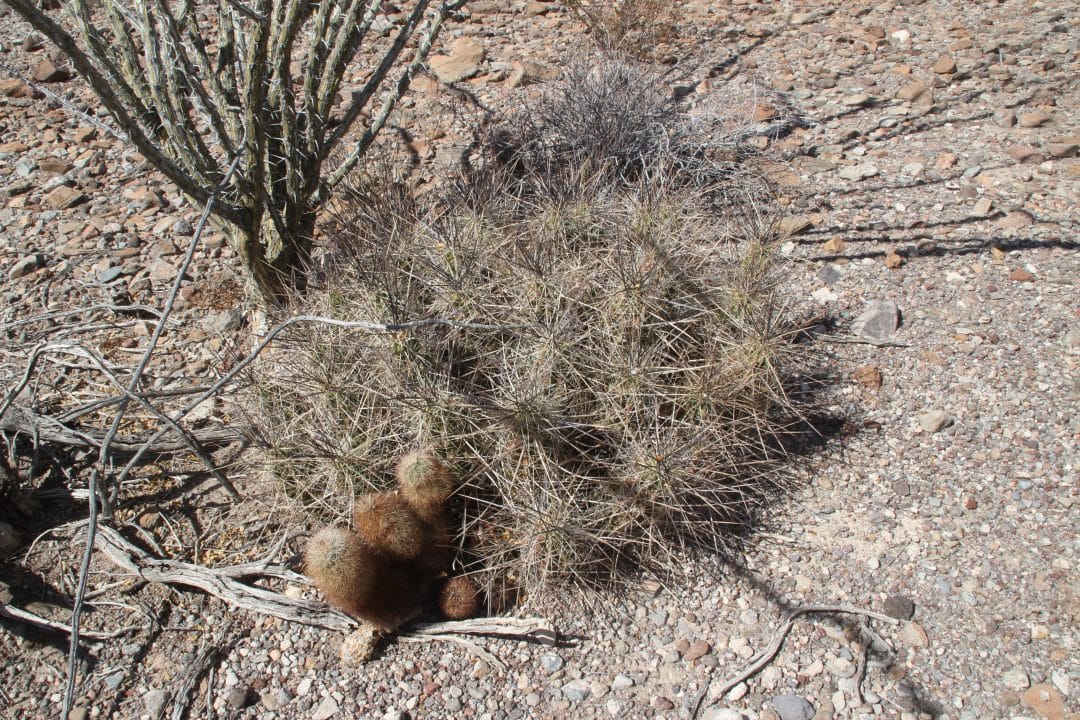
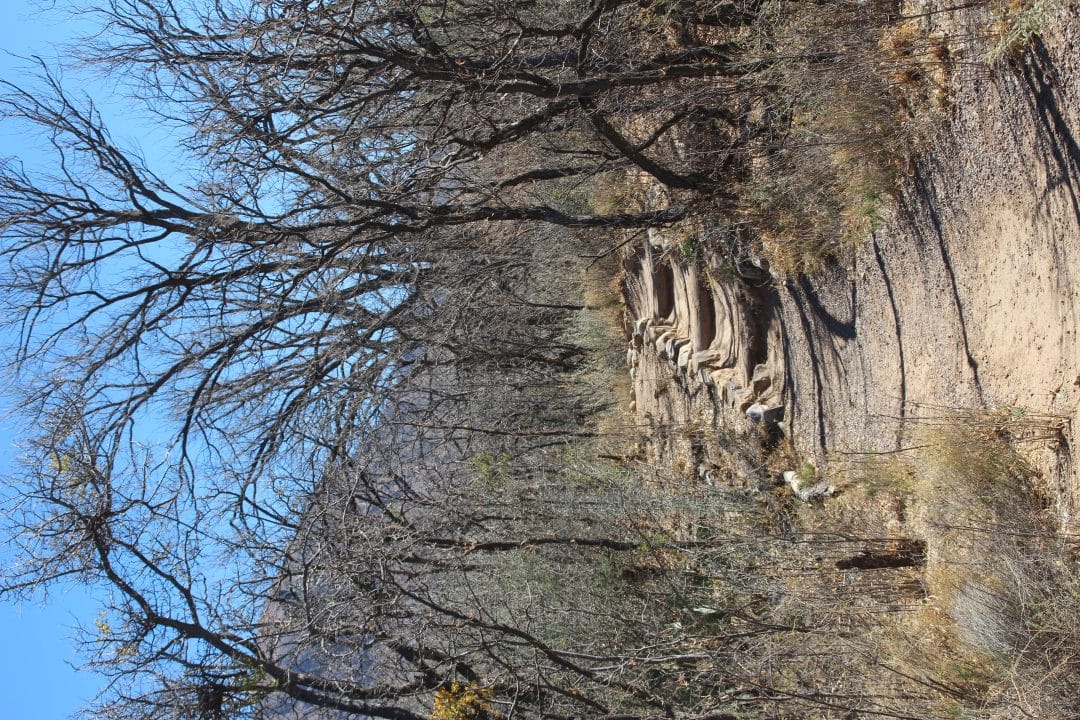
We stopped at this washed out area below these cliffs around it saw lots of cactus. It was hard not to take pictures of everything, including lots of the cactus we had already seen.
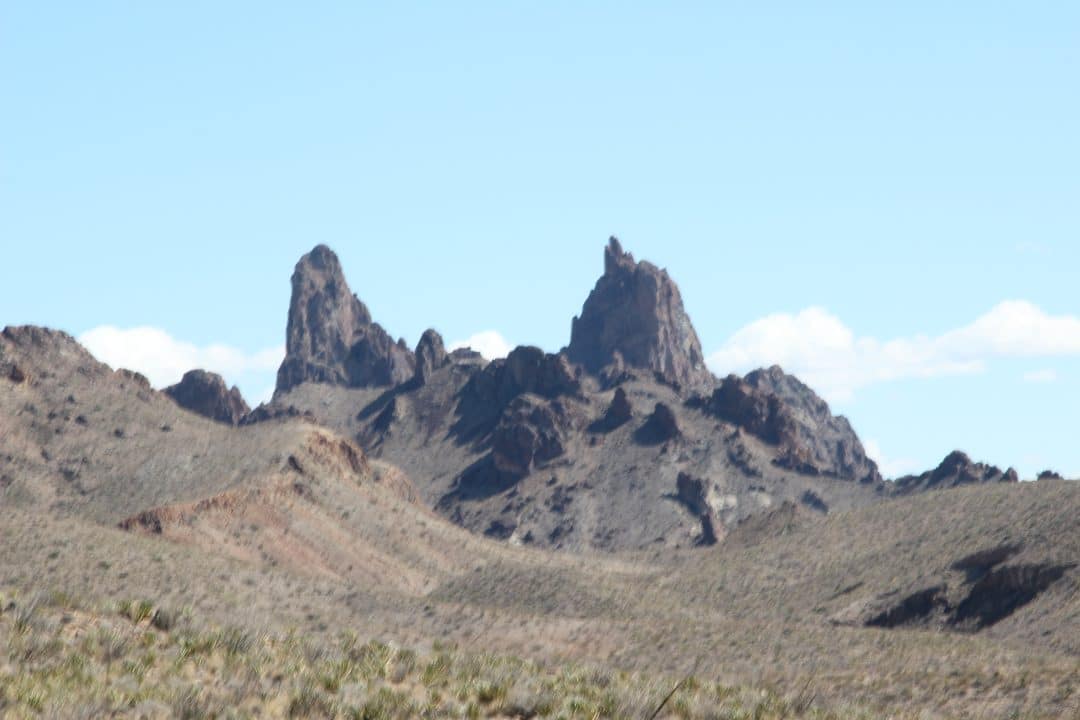
Next we passed what they call the Mule Ears.
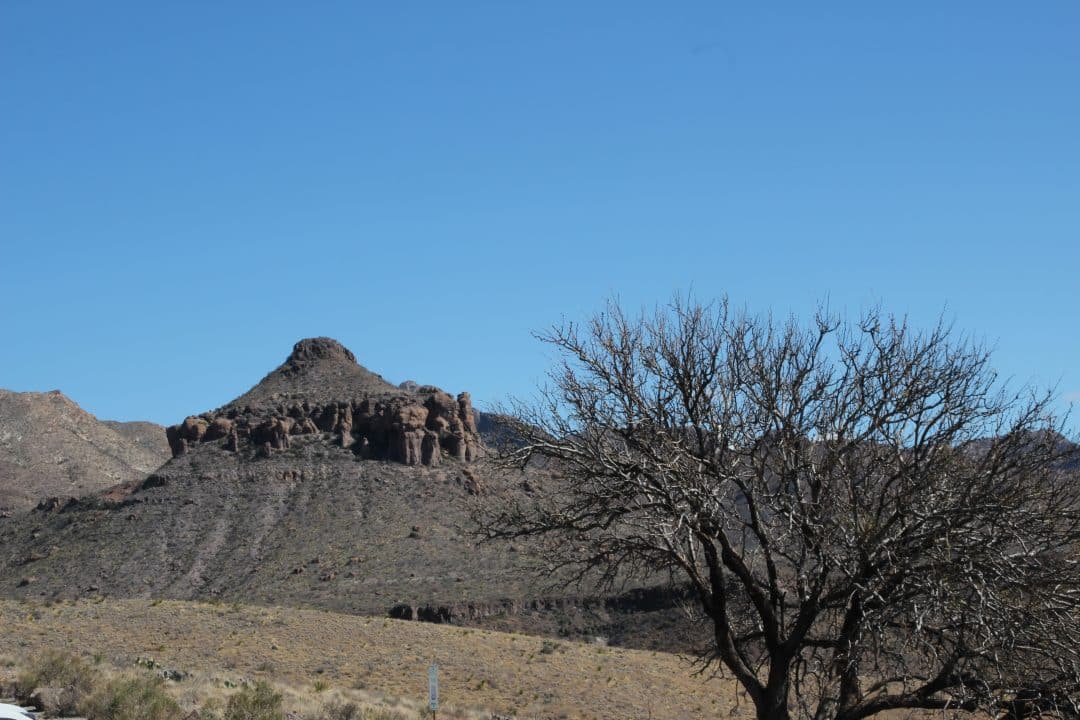
Then we passed these neat landscape scenes.
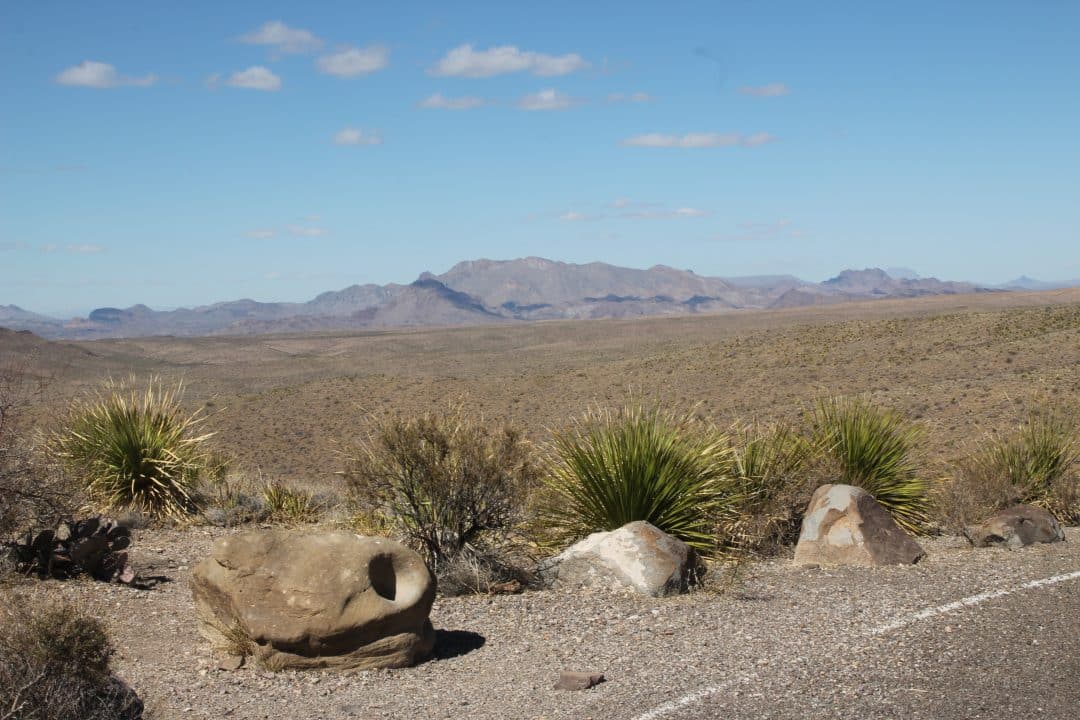
We drove up on a high scenic viewing spot which was covered with Dasylirions, commonly called sotols and interesting rocks. Sotols look a lot like yuccas, but they are different, with sotols having sharp serrated edges on their leaves and yuccas do not.
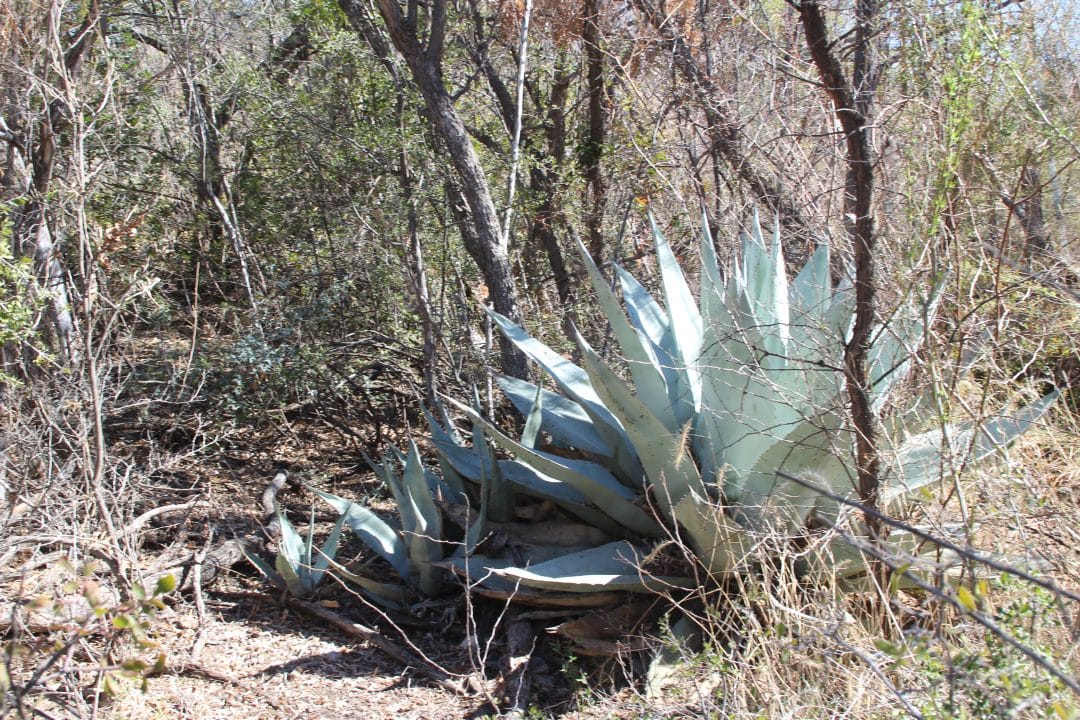
We drove a bit and wound up in a sort of wooded area and walked this path to find an agave because I said I had expected to see many of them. And in some areas of the park I suspect we would have seen more, but like I said, the park is immense. We only saw a tiny bit.
But there it was, big and full of pups, and this one I can identify-Agave havardiana, native to Big Bend, very cold hardy, lives for over thirty years before it blooms and dies. I know this because I had one that bloomed at 30+ years. Great agave.
Another landscape shot.
By now it was time for our tour to be over, past time in fact, since Chris was nice enough to show us a few more places not always on the tour. So, it was back to the motel after a full day.
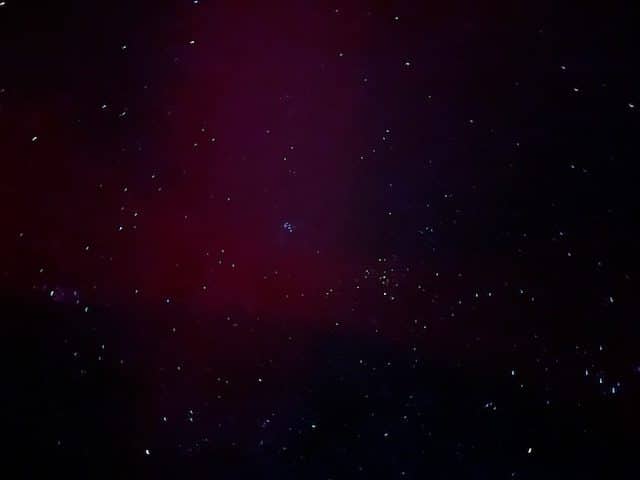
That night we did some star gazing and hoped to take some pictures, but weren’t too successful. I think our timing and location were off, but I will share this one with you. I mentioned in the first story about the trip that the town works really hard to protect the night sky by using very few bright lights and uses red lights at the motel rooms. And we took the easy way out and just tried to take pictures near our motel. You can see a slight glow of the red lights and a few stars in this picture. Next trip we will have to try harder.
The next day we drove ourselves to the hot springs emptying into the Rio Grande that Erin had researched. Another full day that will make another story about the trip.
Stay tuned.
I am so glad we went! The jeep tour allowed us to see so much more. Terlingua was weird and cool and the stars were amazing!
We did have a good time, didn’t we!