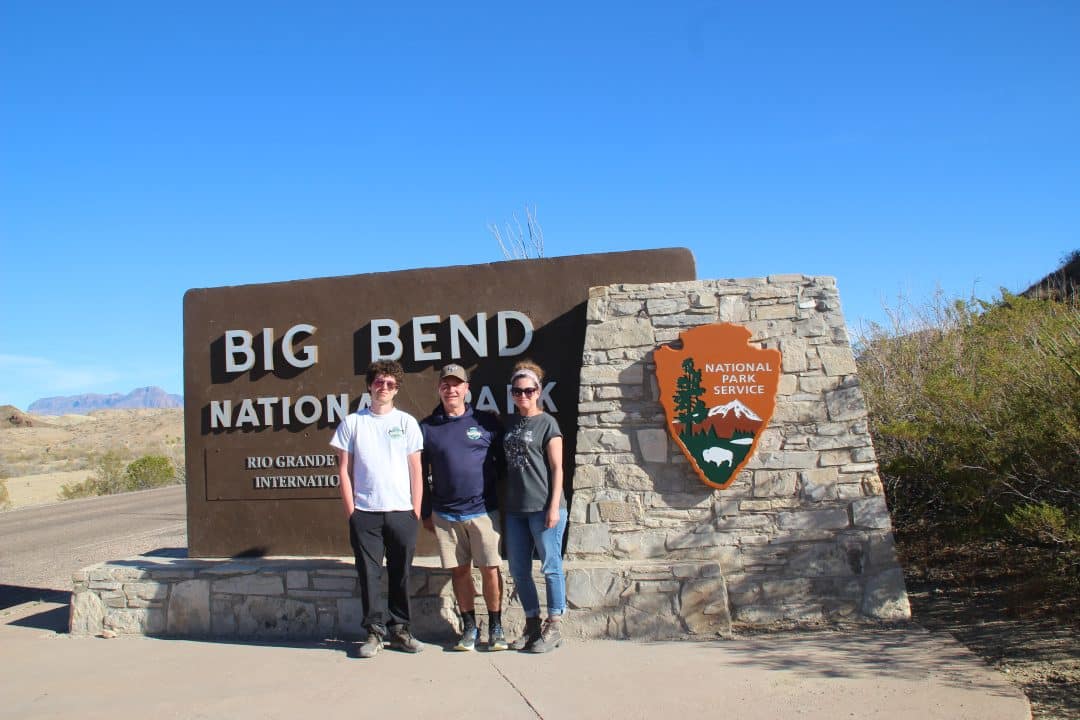
AJ and I decided it was time for us to visit Big Bend. Neither of us had been there, so I talked to a ranger, made motel reservations, booked a Jeep tour, and it was a done deal. Due to AJ’s work schedules and other considerations, we decided to go in the dark of the moon so we could take advantage of Big Bend’s dark skies. Erin and Ben decided to go with us.
We drove into Study Butte which is connected to Terlingua which is closer to the entrance to the park than Lajitas. And believe me, those dark skies I mentioned, they protect them! No street lights, few lights on business signs at night, few, if any, lights at homes, red lights at motel room doors, no traffic lights, I mean, it is so dark it would be easy to get lost in town.
We also discovered that they live on what we decided was Desert Time. Most of the area is on Central Time, but in some areas the towers will put cell phones on Mountain Time. But the town seemed to be on their own time. They didn’t get in much of a hurry. The coffee drinkers in our group, which was everyone but me, were out at 6 that morning looking for coffee. Our room was adequate, but it had no coffee maker, and the motel office had no restaurant or breakfast nook that had coffee. Nothing opened till 7, and then, of course, it took a while for the coffee to brew. No one got in a hurry to cook, either. When we discovered the few places to eat, many of them closed early. So, if you go, just be prepared!
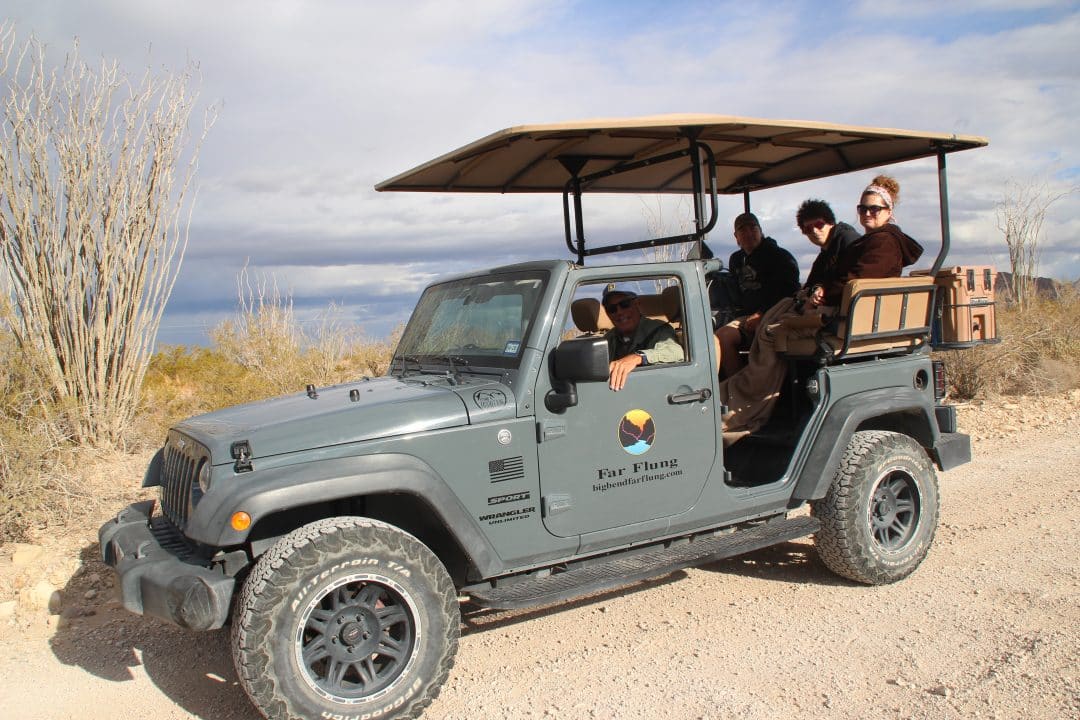
I reserved a six-hour Jeep tour with Far Flung Tours since we would have wasted time and missed the big attractions wandering frantically around a 801,163 acre park. Plus, we weren’t sure we had the best vehicles for the places we would want to go. It was a good choice. We had Chris for our driver/guide, and he kept us informed about all the places where we stopped; the geological history of the mountains, the archaeological history of the area, the plants, the history of the ranches and homes that existed before it became Big Bend National Park in 1944, all kinds of interesting stories. I should have been taking notes, but then I would have missed taking too many pictures and enjoying all the stories. So, I just listened.
Besides the majesty of the mountains, I was interested in the cactus and the other desert plants. Blooms on cactus are one of the main ways to identify them, and since we were too early for the blooming season, the ones I was not already familiar with I couldn’t identify. But I took their pictures anyway. And I took way too many!
Plus, since I wasn’t taking notes, I can’t identify all the mountains and main attractions we saw, either. So, just enjoy the pictures, even though they simply can’t do the mountains justice. You just need to go see them yourself and hear all the stories yourself. There are too many to include, so I will try to share some picture that I like and stories and attractions I can remember. And maybe do more than one story about the trip. Here we go.
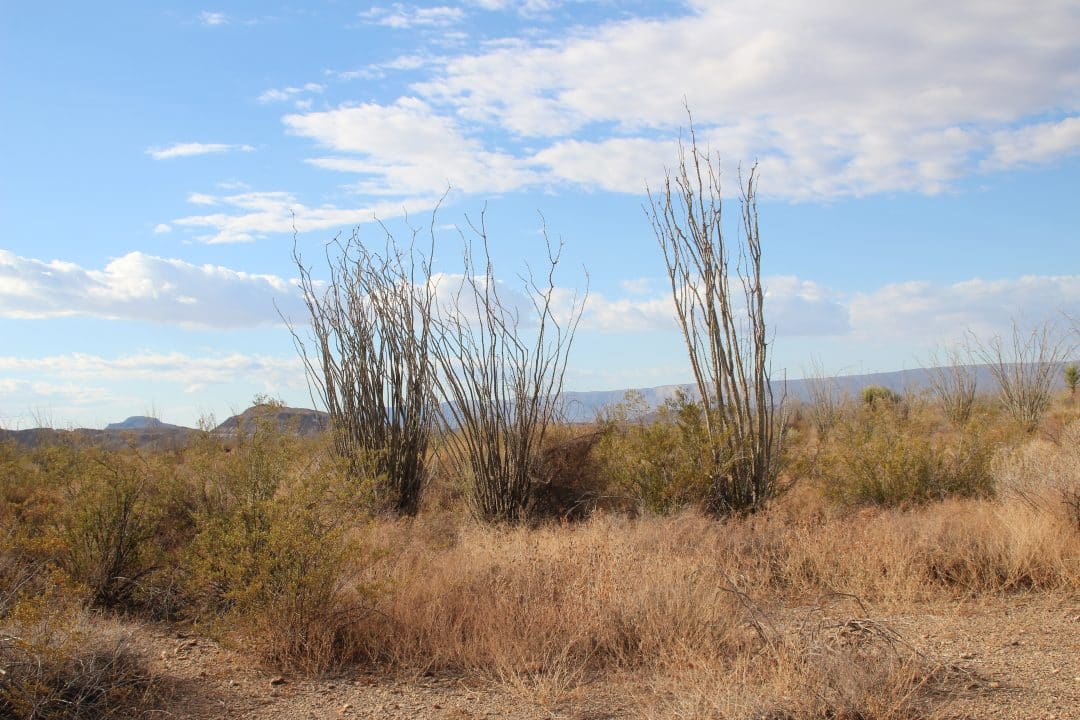
Ocotillos were brown, thanks to the drought, and they were everywhere. In some places it was like a forest of them.
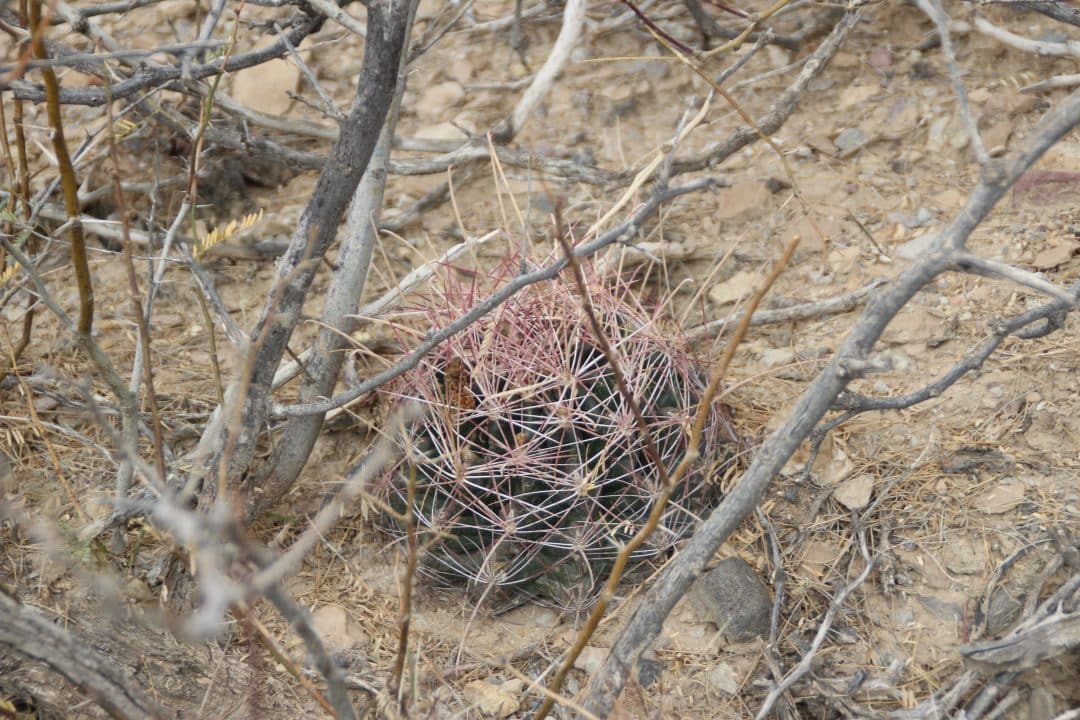
Here I am the cactus person, and AJ spotted the first cool cactus! And this one I do know-Ferocactus hamatacanthus. This one is pretty big, although it doesn’t look big in the picture. We went on to see quite a few of them, and of course I tried to take a picture of all of them! But this is a really nice clean one, good shape and good color.
This was a short little house that a man lived in back in the day. The rocks, obviously, were local, and the roof is ocotillo branches,
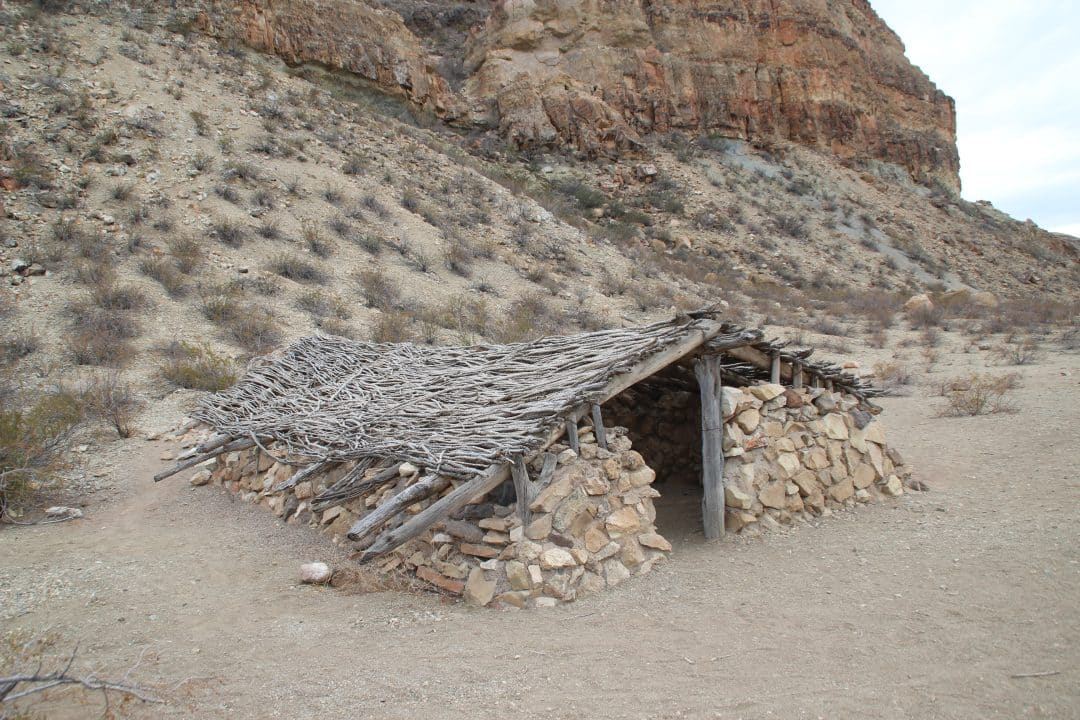
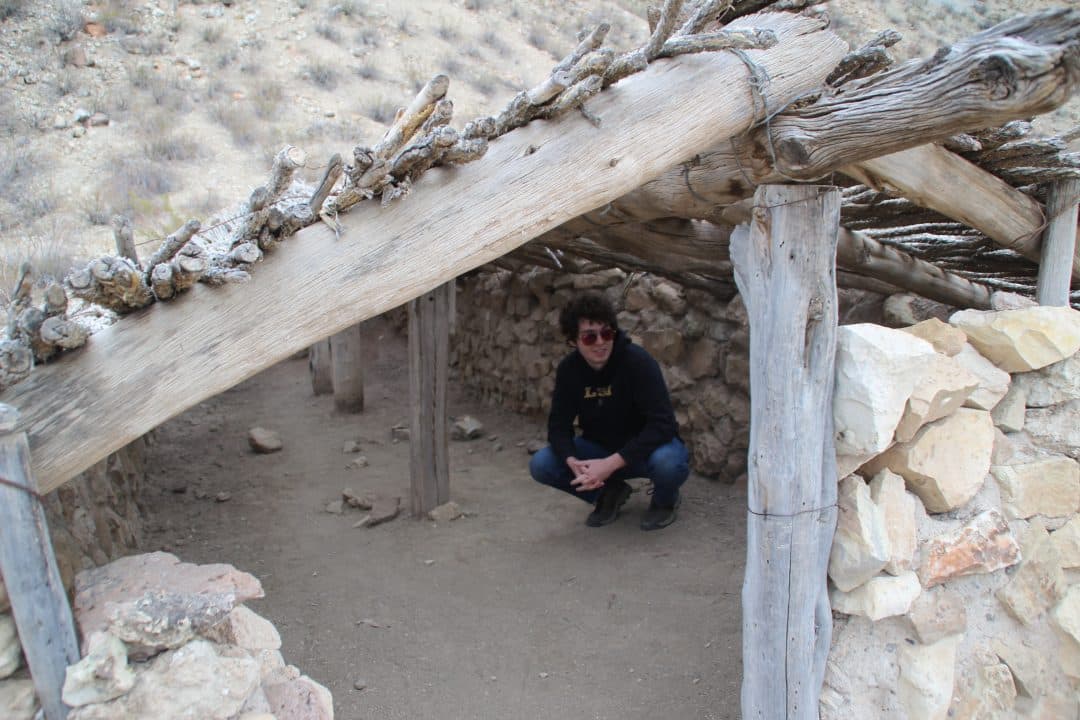
Gilbert Luna was the Mexican pioneer farmer who built this jacal and lived here from 1916-1947. He sold goats and wood cut from the Chisos Mountains. The fact that it is still standing is a nod to his ability to build it in such a fashion that it has withstood the harsh conditions. And apparently he was not a very tall man!
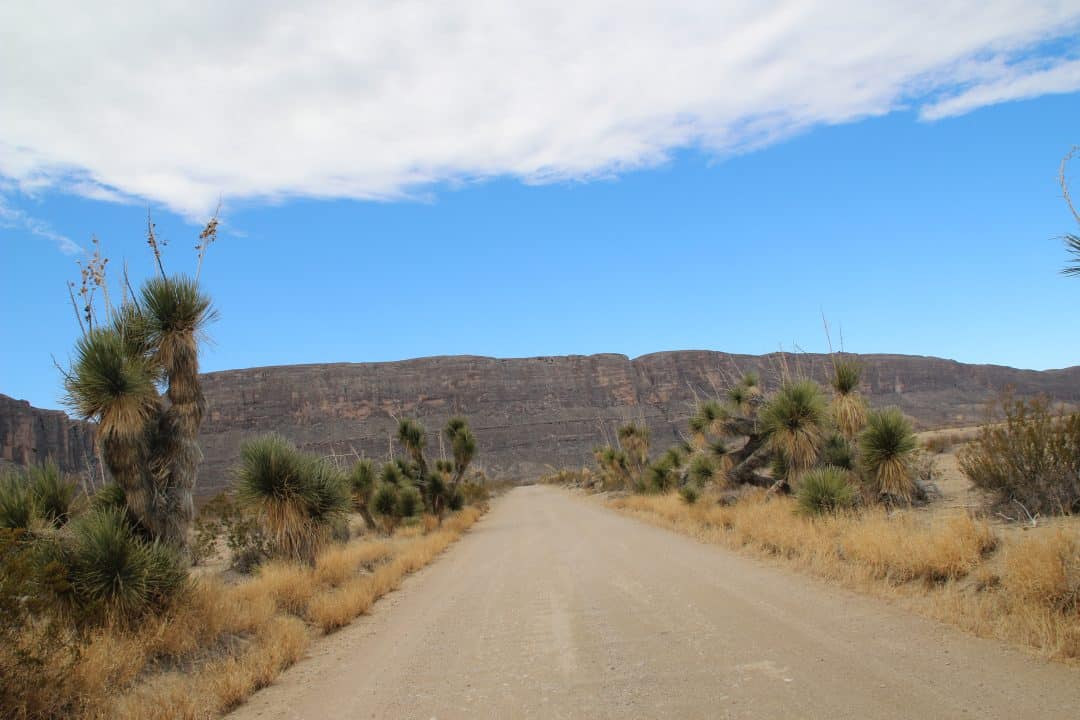
The plants seemed to have their special areas in the park where soil and weather conditions were best for them. We would go through those forests of ocotillos and then come up on fields of yucca. This batch of soaptree yuccas, however, we saw only in this one spot. Other yuccas were seen in sprawling patches on our tour.
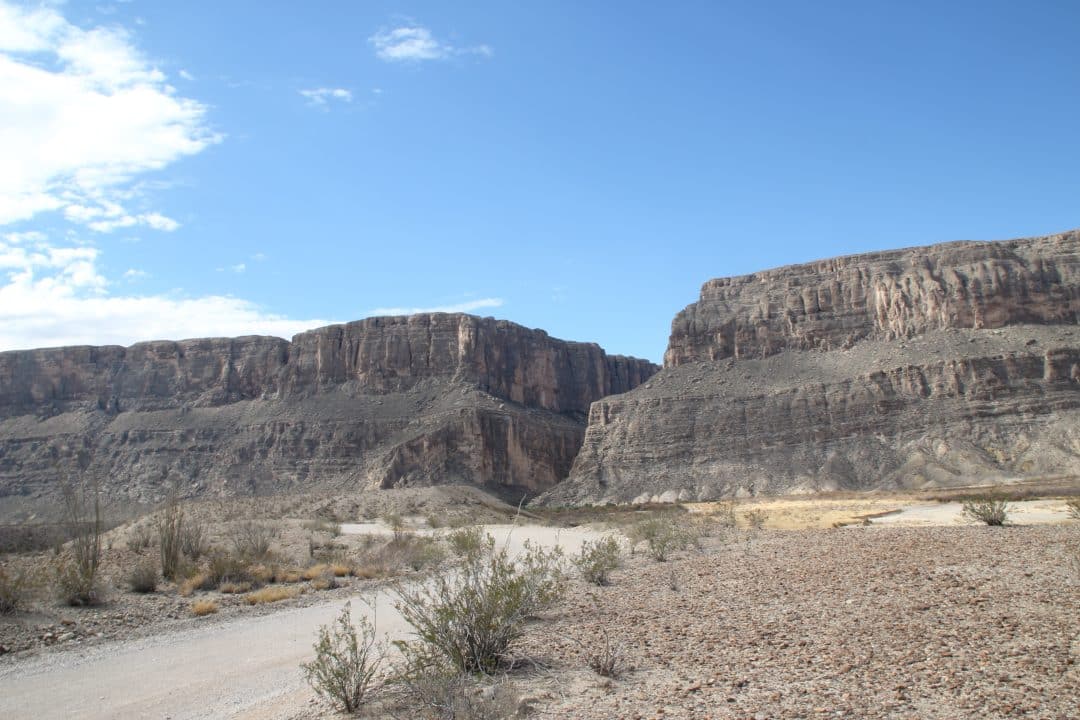
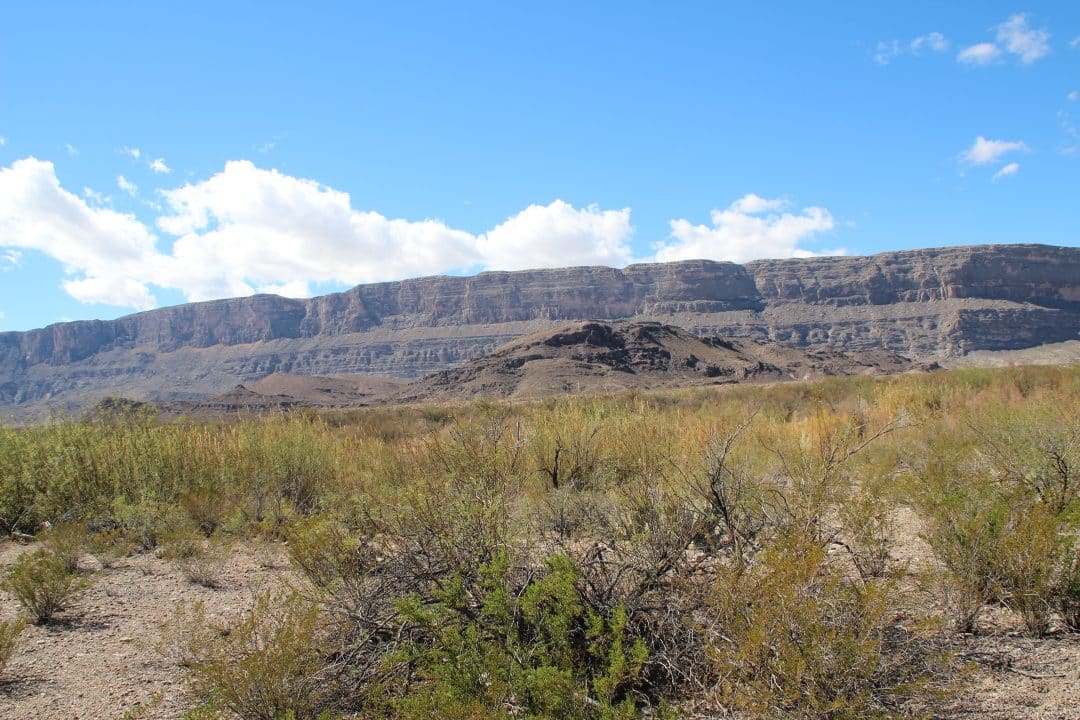
The next major attraction was Santa Elena Canyon. The canyon was cut by the Rio Grande, so the mountains on the other side of the river are in Mexico. As you know, the Rio Grande is the border between Texas and Mexico the whole southern border of Texas. In this picture, the formation to the right is Texas, and the one on the left is Mexico. Kind of hard to understand just looking at this picture, right? That’s why you need to go see it in person.
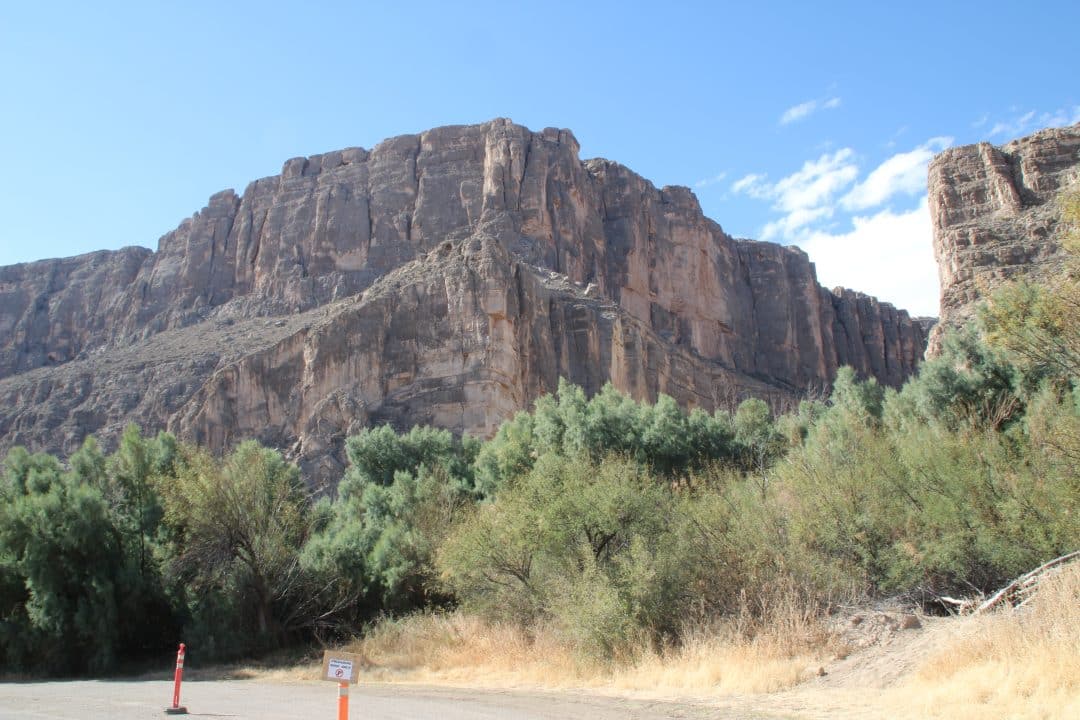
As we parked and walked up to the river, these trees were everywhere. The fluffy, slightly grayer ones in the background are actual cedar trees, not the Eastern junipers that people in the Hill Country tend to call cedar trees. The park would like to be rid of them because they are water hogs.
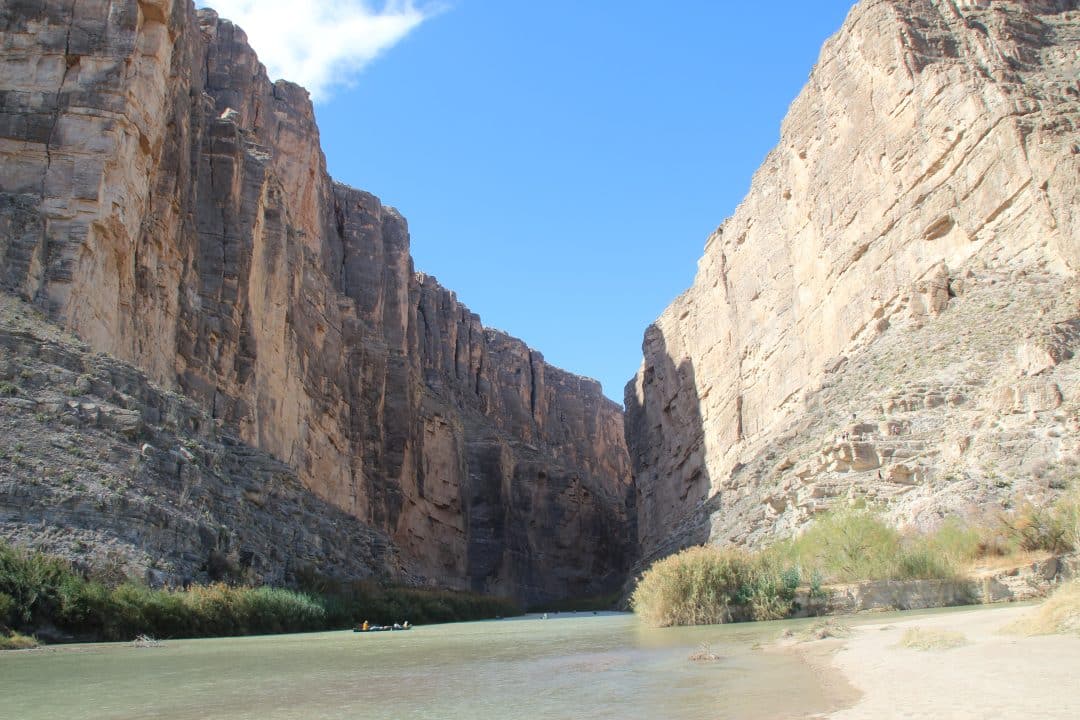
And here is the canyon. You can see people in the distance floating on the river in kayaks and canoes, some rented and some brought from home. The river is rather low right now because Mexico has it dammed up somewhere upstream.
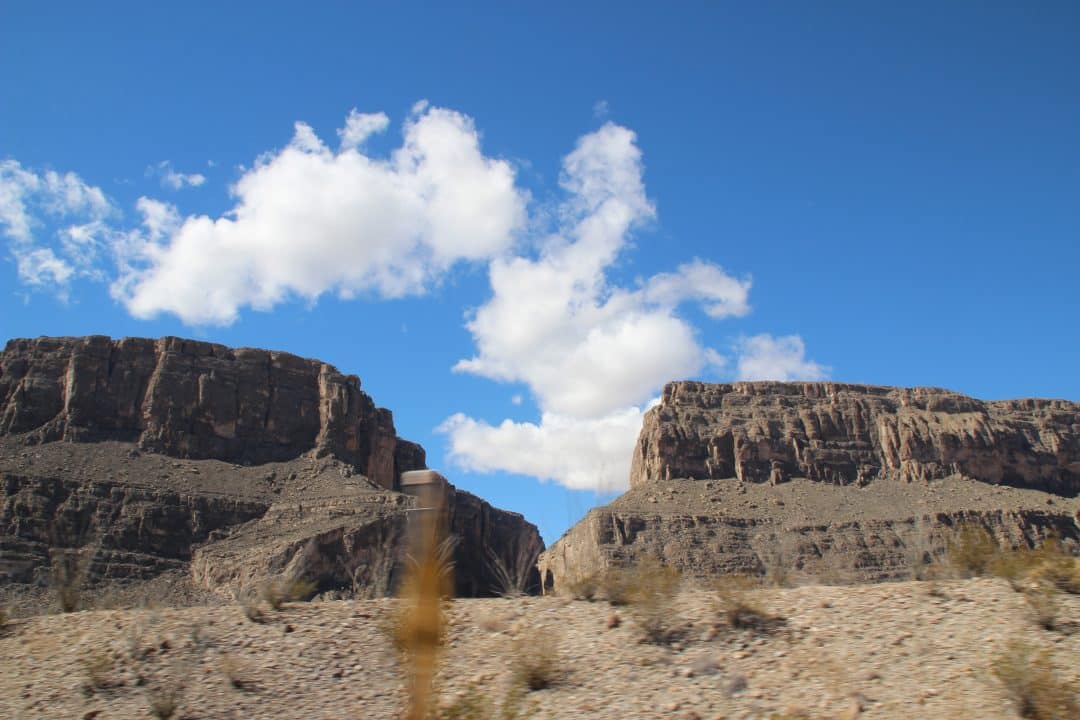
This is just a pretty picture as we are leaving the canyon.
These bright green bushes are creosote bushes, and they grow all over the park, just thicker in some places, like they are here. They are true drought-tolerant plants known for their ability to suck out all available water in the soil, so they do well in times of drought or in places like Big Bend where it is hot and usually dry. I don’t particularly like them, but they like Big Bend. I guess they are helpful for providing food and shelter for birds and small critters and sometimes serve as nurse plants for cactus to grow under protected from the sun.
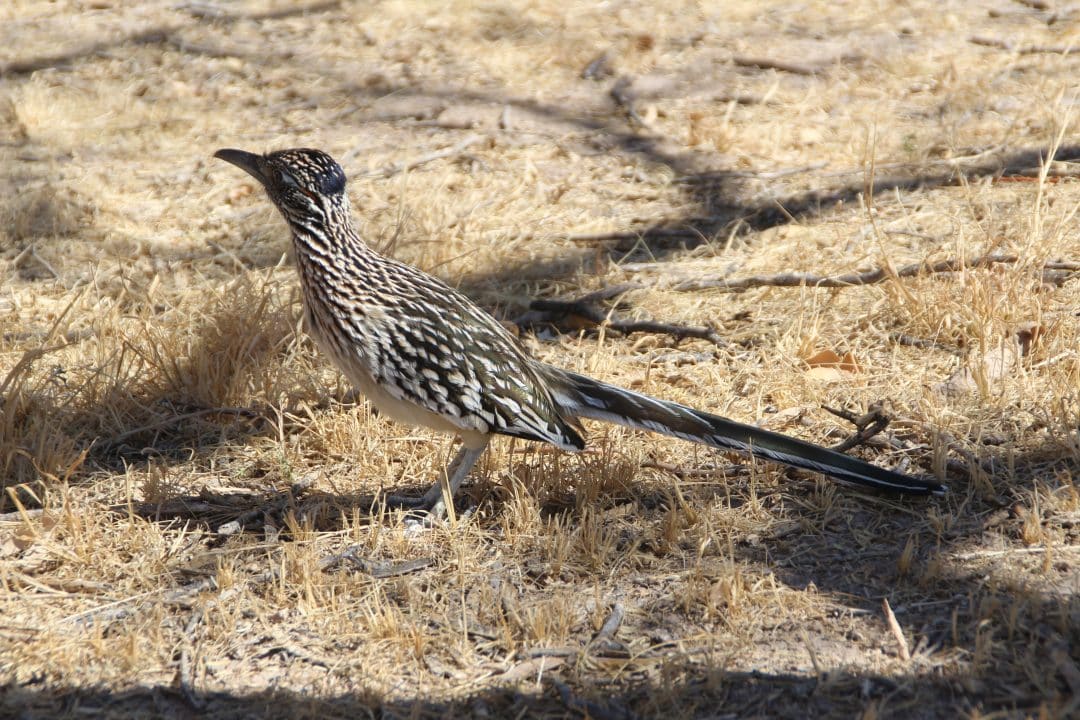
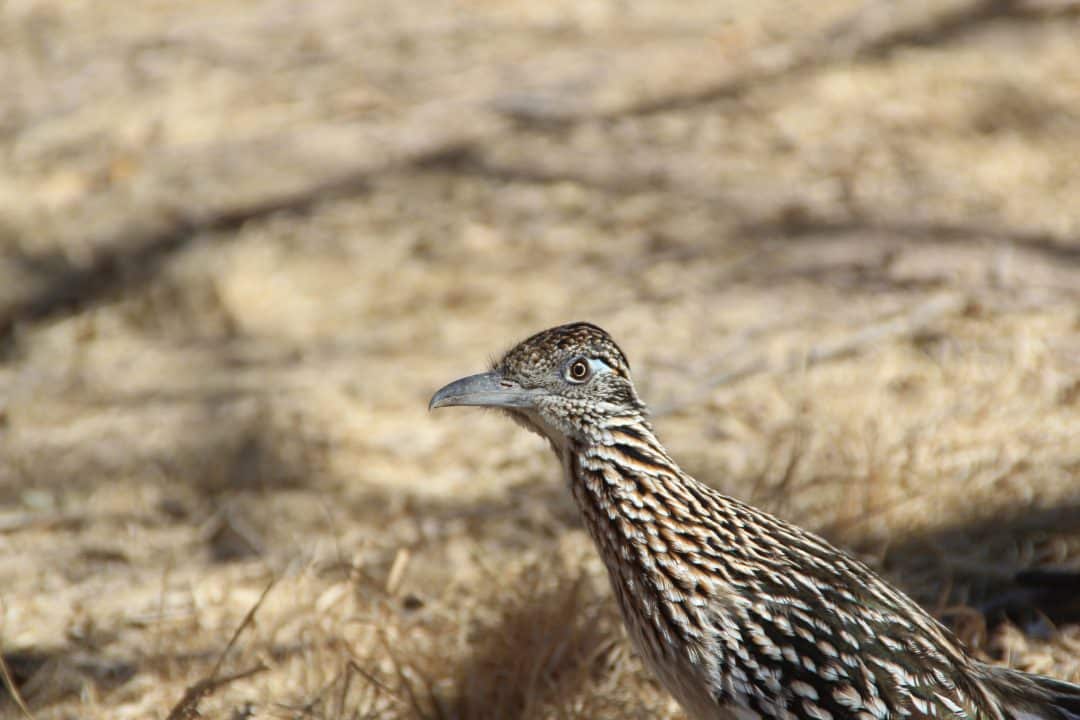
We stopped at a park with tables for camping and had our lunch. We were joined by this roadrunner who had no fear of us and was expecting a snack. Feeding any of the wildlife is frowned upon for obvious reasons-they come to depend on people, and in the case of bears, this would be dangerous. So we took pictures of him, and he finally gave up on getting any treats from us and wandered off. Chris said he is always there, which means some people have fed him, and he has come to expect it.
And since lunch marks the halfway point in our tour, this is a good point to stop for now. Please stay tuned. More of Big Bend will follow in the near future.
Scenery is a reminder that Texas is a beautiful state.
It is! And so much to see.